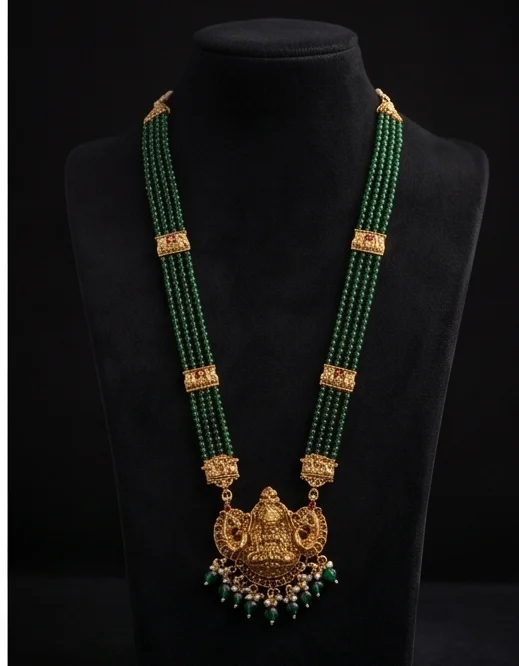
Many tarnish complaints come from storage, not manufacturing. Stock that sits for months in a humid storeroom, or under hot display lights, can dull before it is sold. Good storage protects your stock and your reputation.
What causes tarnish in storage
- Humidity and moisture
- Air exposure
- Heat from lights or sunlight
- Contact with rubber, some papers and chemicals
- Pieces rubbing against each other
Storage basics
- Keep pieces in sealed pouches until they go on display.
- Add silica gel to storage boxes, especially in humid regions and monsoon months.
- Store off the floor, away from walls that may be damp.
- Avoid sunlight and heat sources.
- Separate pieces so they do not scratch.
- Use anti-tarnish strips or paper in drawers.
Regional notes and humidity
Coastal cities such as Mumbai, Chennai, Kochi, Kolkata and Visakhapatnam need extra care, and in most of India the monsoon months are the hardest on stored jewellery. Increase silica gel, use sealed containers, check stock more often, and keep cartons off the floor.
Passing care on to customers
Customers store jewellery at home far longer than you do. A small care card with each sale (store in a pouch, avoid water, damp and perfume, wipe after wear) extends the life of their purchase and reduces "it turned black" complaints months later. Read customer care cards.
Common mistakes
Opening every pouch on arrival and storing pieces loose in drawers, or keeping stock under hot display lights for weeks.
A storage set-up that works
| Item | Purpose |
|---|---|
| Zip-lock bags | Seal each piece from air |
| Anti-tarnish strips or paper | Absorb sulphur gases that darken plating |
| Silica gel sachets | Control moisture in drawers and cartons |
| Lidded plastic boxes or drawers | Keep dust and air out |
| A cool, shaded cupboard | Away from sun, kitchens and bathrooms |
| A stock register by design code | Know what you have and how old it is |
Why some materials speed up tarnish
Some everyday materials release sulphur compounds that tarnish silver and plated jewellery faster: rubber bands, some cardboards and papers, wool and felt, and certain paints. Store jewellery away from them, and replace old packing with fresh bags and strips when you re-pack stock.
Checking stock regularly
Once a week, wipe display pieces and swap a few back into pouches. Once a month, check storeroom silica gel and replace it if saturated, and open a sample of stored packs, especially older stock and stock in humid months. Look for dulling, spotting or colour change: stock that is starting to change should be moved to the front and sold first, while it still looks good. Replace anti-tarnish strips on stock held for more than a few months.
See anti-tarnish jewellery explained and antique jewellery wholesale.
Storage for display pieces
Display pieces are exposed to air, light and handling all day, so they tarnish faster than packed stock. Rotate display pieces every few weeks, return them to sealed bags overnight where practical, and keep a small reserve so a dulled display piece can be replaced by a fresh one. Closed glass cases with a silica gel sachet slow tarnish noticeably compared with open trays.
Training staff on storage
Make storage part of the daily routine: every piece returned to its bag after trying on, bags sealed, strips replaced when they change colour (many anti-tarnish strips darken as they absorb gases), and cartons closed. A few seconds per piece saves real money in stock that stays saleable. Put a short checklist on the stockroom wall so every staff member follows the same routine.
Stock age and first in, first out
Label every carton and drawer with the month the stock arrived. When you restock the counter, take the oldest stock first. Jewellery that sits for a year in a drawer, however well packed, is at greater risk than stock that moves within a season.