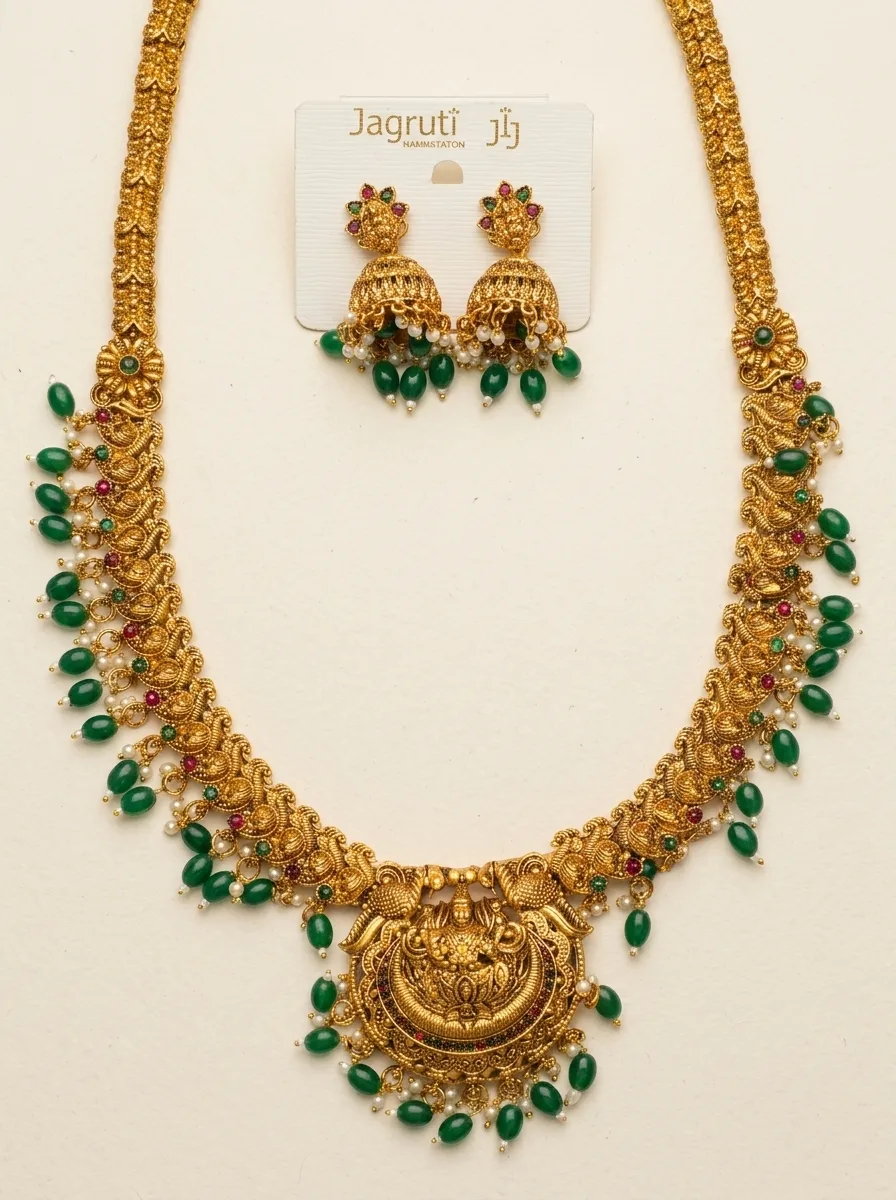
Goa's jewellery market has two sides: local demand from Goan Hindu, Christian and Muslim families, and a large tourist market in beach and city shops.
Markets
Mapusa's Friday market and the markets in Panaji and Margao serve locals, while Panaji's jewellers serve both locals and tourists. Beach shacks, market stalls and the Anjuna flea market, held on Wednesdays in the tourist season, sell to tourists: beach-style, oxidised and colourful beaded designs sell strongly there, especially from October to March.
What sells to locals
- Gold-tone bridal sets
- Konkani and Maharashtrian-style pieces
- Christian bridal gold-look necklaces
- Festive sets for Ganesh Chaturthi, Diwali and Christmas
What sells to tourists
- Oxidised and boho fashion jewellery
- Beaded and colourful pieces
- Indian-style jhumkas and anklets as souvenirs
Goa's buying calendar
- Carnival (February).
- Shigmo (March): Goa's spring festival.
- Ganesh Chaturthi: one of the biggest festivals for Goan Hindu families.
- Diwali.
- Christmas and New Year: the peak tourist season.
- Weddings, both Hindu and Christian.
What retailers ask distributors for
Tourist shops want trendy, affordable, light pieces; local jewellers want bridal and festive sets.
A sample first factory order
A Goa distributor might order: three oxidised jhumka designs, a boho necklace, an anklet, a gold-tone bridal set and a festive set, at MOQ quantities (200+ pcs per heavy design, 400+ per earring or pendant design), timed for the tourist season.
Getting stock from a Mumbai factory to Goa
Goa is close to Mumbai by road and rail.
See oxidised jewellery wholesale.
Common mistakes
Stocking the same boho pieces as every other beach shop. Tourists see the same designs everywhere and choose on price. Distributors who offer something different, such as Indian-inspired pieces with a modern twist, give their retailers an edge.
Tourist season timing
Stock for the tourist season should arrive before it starts, with top-ups during peak months. Off-season, focus on local festive and bridal demand.
Goan bridal traditions
Goan Christian brides often wear gold-look necklaces and earrings with white gowns, while Hindu brides wear traditional Konkani and Maharashtrian-style pieces. Both are served by different retailers.
Light and packable
Tourists want pieces that are light and easy to pack. Earrings, anklets and small necklaces on cards sell best.
Ordering from Mumbai
Goa buyers can visit our factory on a short trip to Mumbai, or approve samples remotely and see stock on video before dispatch.
A twelve-month stocking plan
| Months | Focus |
|---|---|
| February to March | Carnival and Shigmo |
| August to September | Ganesh Chaturthi |
| October to March | Tourist season and flea markets |
| December | Christmas and New Year peak |
| Through the year | Weddings |
Place factory orders about two to three months before each focus period, since most designs are made to order in about a month and transport and approval add more time.
Packing and storage for this climate
This is a humid region for much of the year, and humidity is the main enemy of plated jewellery. Keep stock in sealed zip bags with anti-tarnish strips, add silica gel to every carton, store cartons off the floor and away from outside walls, and rotate stock so older pieces sell first. Advise customers to store jewellery sealed and dry, especially in the monsoon.
Pricing notes for this market
Tourist pieces sell on price and look; local bridal and Ganesh Chaturthi buyers spend more on traditional gold-look sets.
When buying direct from a factory makes sense
Retailers selling to tourists in volume benefit most. Designs that sell in the hundreds each season are worth ordering from a manufacturer at 200 pieces per design (400 for earrings and pendants): the unit price is lower, colour and finish stay consistent, and re-orders match exactly. Keep local wholesalers for fast top-ups and designs you are still testing.
Briefing your supplier for this market
Split orders between tourist fashion pieces and traditional sets.