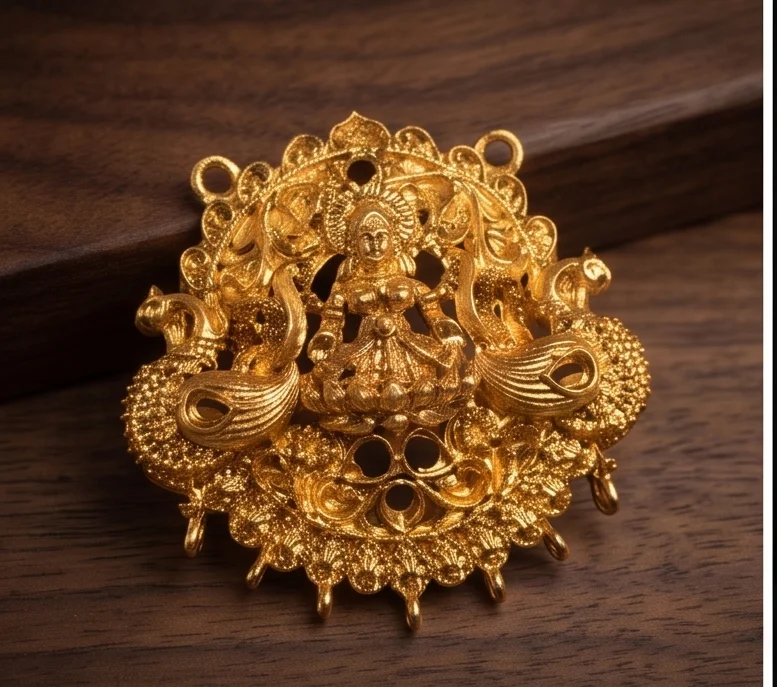
The Gulf is one of the closest and most natural export markets for Indian imitation jewellery. Large Indian and South Asian communities live in the UAE, Saudi Arabia, Qatar, Kuwait, Oman and Bahrain, flights from Mumbai are short, and Dubai's trading houses re-export across the region and into Africa. This guide covers what sells, how duty works under the India-UAE trade agreement, and how exporters reach buyers.
Who buys
- Indian and South Asian retailers in Dubai's Meena Bazaar and Karama, Sharjah's Rolla area, and Indian neighbourhoods in Abu Dhabi, Muscat, Doha and Kuwait City.
- Wholesale trading houses in Deira and Dubai's souks that sell to smaller shops across the Gulf, East Africa and beyond.
- Wedding and event suppliers who rent or sell sets for Indian, Pakistani and Bangladeshi weddings.
- Online sellers serving the diaspora across the Gulf.
What sells
- South Indian temple and kemp jewellery for Kerala and Tamil families, especially before Onam, Vishu and wedding seasons.
- Heavy bridal sets: long haaram, choker and jhumka combinations in antique gold.
- Kundan and polki-style sets for North Indian and Pakistani weddings.
- Everyday lightweight gold-finish pieces for office and daily wear.
Gold-coloured antique and matte finishes dominate. Because many buyers also own real gold, the finish and stone setting are compared closely with the real thing, so consistent plating quality matters.
Duty and tax: the India-UAE CEPA
The UAE's normal customs duty is 5% of the CIF value, plus 5% VAT on import. Under the India-UAE Comprehensive Economic Partnership Agreement (CEPA), in force since May 2022, duty on Indian jewellery can be reduced to zero when the goods meet the rules of origin and are accompanied by a preferential certificate of origin issued in India.
What that means in practice:
- Ask your buyer whether they will claim CEPA. Most importers will.
- Apply for the preferential certificate of origin online before dispatch. See certificate of origin for jewellery exports.
- Make sure the description and HS code on the certificate match the invoice exactly.
The other Gulf countries (Saudi Arabia, Qatar, Kuwait, Oman, Bahrain) apply the GCC common external tariff, usually 5%, plus their own VAT where applicable. CEPA benefits apply to the UAE only, which is one reason many exporters ship to a Dubai importer who then distributes regionally.
Documents Gulf importers expect
- Commercial invoice with HS code, clear description and country of origin
- Packing list
- Airway bill
- Preferential certificate of origin for the UAE
- Some importers ask for invoices to be attested. Check with the buyer before dispatch, since it adds time.
Shipping to the Gulf
Mumbai to Dubai is a short flight, so courier for small orders and air cargo for larger ones both work well. Sea freight to Jebel Ali suits big consolidated loads. Summer heat and humidity in the Gulf are hard on plating in storage, so anti-tarnish packing matters. See courier vs air vs sea.
How to reach Gulf buyers
- Visit or exhibit at jewellery and trade fairs in Dubai and Sharjah.
- Approach retailers through the community networks they already use: WhatsApp catalogues and referrals carry a lot of weight.
- Offer design exclusivity per city where the buyer is large enough. Gulf retailers dislike seeing the same set in the shop next door.
- Plan around the calendar: Onam, Diwali, Eid and the winter wedding season drive orders.
Payment terms
Most Gulf trading houses are used to advance or part-advance terms for new suppliers and move to documents or credit only after trust is built. See export payment terms.
Dubai as a re-export hub
Many Dubai trading houses do not only sell in the UAE. They re-export to Oman, Saudi Arabia, East Africa and elsewhere. That has two consequences for suppliers:
- Volume can be larger than the shop count in Dubai suggests, and orders can come in bursts before regional festivals.
- The CEPA benefit applies to goods entering the UAE. Goods later re-exported to another country are treated under that country's rules. Your buyer handles this, but consistent invoices and origin paperwork make their life easier.
Mistakes exporters make with Gulf buyers
- Shipping without the CEPA certificate. The buyer then pays 5% duty that could have been zero, and remembers it.
- Plating that cannot take the climate. Summer heat and humidity in shop storage test the finish. Anti-tarnish packing and good lacquer matter.
- Ignoring exclusivity. Two shops in the same souk selling the identical set compete on price and both stop ordering.
- Missing festival timing. Onam and Diwali stock must be in Dubai weeks before the festival.
- Weak design codes. Gulf buyers re-order by photo on WhatsApp. Clear design codes on every pack make repeat orders easy.
Working with Jagruti
We make temple, kemp, antique and bridal imitation jewellery to order in Mumbai, from 200 pieces per design (400 for earrings and pendants). For Gulf buyers we can supply invoices with HS codes and descriptions ready for CEPA, and pack for the heat. Start with our catalogue or the export supply page.