Canada is home to one of the fastest-growing Indian communities anywhere. Brampton and Mississauga near Toronto, Surrey and Abbotsford near Vancouver, Calgary, Edmonton, Winnipeg and Montreal all have busy South Asian shopping districts. Punjabi weddings in particular are large, frequent and jewellery-heavy, which makes Canada a strong market for Indian imitation jewellery.
Who buys
- South Asian jewellery and bridal shops in Brampton and Mississauga, Gerrard India Bazaar in Toronto, Surrey's Scott Road area and similar districts in Calgary and Edmonton.
- Bridal outfit stores that sell jewellery matched to suits and lehengas.
- Wedding rental and event businesses.
- Online sellers shipping across Canada.
What sells
- Punjabi bridal jewellery: heavy kundan and polki-style sets, choora-matching bangles, large jhumkas, maang tikka and matha patti, passa.
- Gujarati and Rajasthani styles: kundan, meenakari and oxidised pieces for Navratri and weddings.
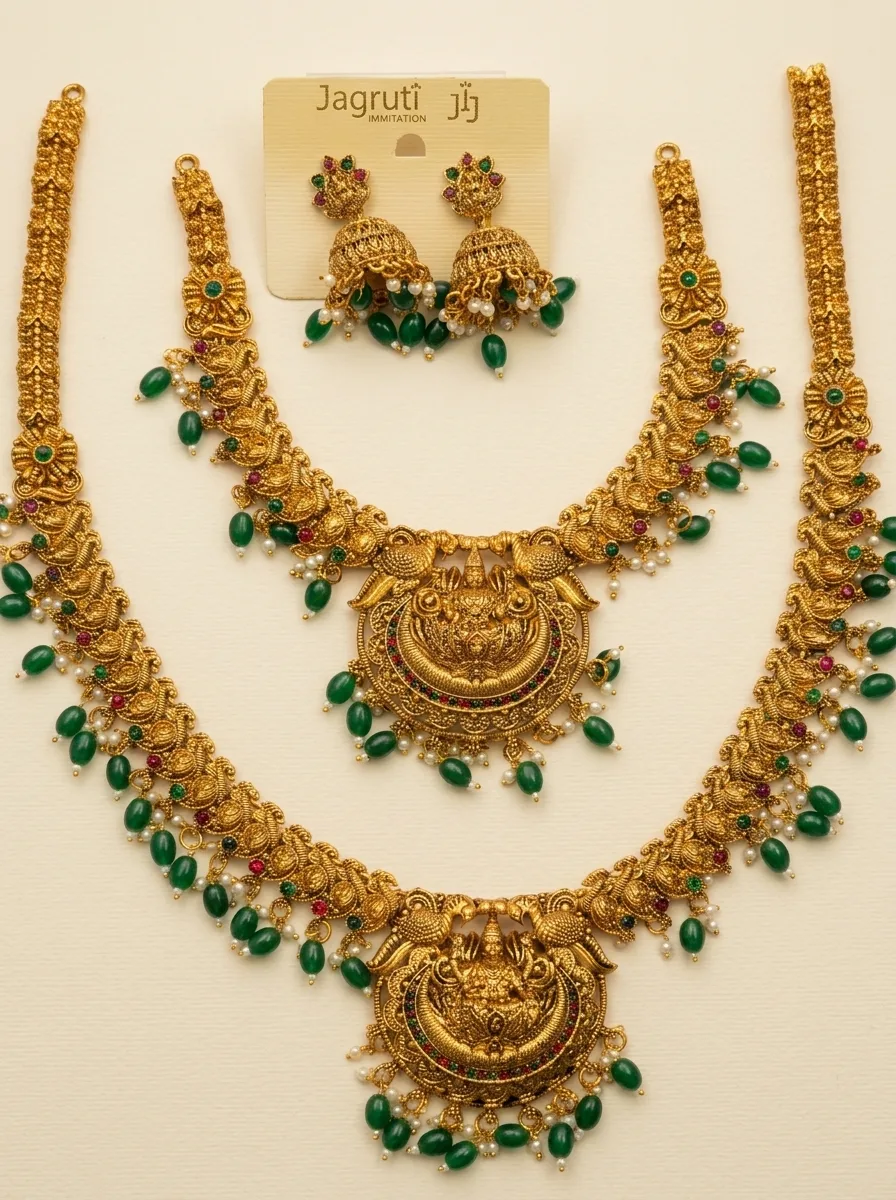
- South Indian temple sets for Tamil and Telugu families in Toronto and Vancouver.
- Lightweight festive pieces for Diwali, Vaisakhi and Eid.
Duty and tax
Canada's normal (MFN) duty on base-metal imitation jewellery (tariff item 7117.19.90) is 8.5%, and GST or HST is charged on import, the rate depending on the province. India has no trade agreement with Canada that removes this duty, so price your landed cost with the full rate in mind and let your buyer's customs broker confirm the tariff treatment on each shipment.
Safety rules: children's jewellery
Canada regulates children's jewellery strictly under the Children's Jewellery Regulations:
| Rule | Limit |
|---|---|
| Total lead in children's jewellery | 90 mg/kg |
| Total cadmium in children's jewellery items small enough to be swallowed | 130 mg/kg |
"Children's jewellery" means pieces designed or marketed mainly for children under 15. Adult bridal and festive jewellery is outside those regulations, but Canadian retailers still expect materials to be safe, and many ask for a declaration that the alloy is lead-free. See nickel and lead rules.
Labelling
Mark goods "Made in India". Canada has bilingual (English and French) labelling rules for consumer products sold at retail, so if your buyer wants retail-ready packs, agree the label text with them before production. See export packaging.
Seasons that drive orders
- Wedding season: Punjabi weddings peak in summer (May to September) in Canada, unlike India's winter peak, plus a second wave around the winter holidays when families travel.
- Vaisakhi in April and Diwali in October or November.
- Navratri for Gujarati communities.
Canadian buyers need stock on shelves before these peaks, so orders should be confirmed about two to three months ahead to allow for production and shipping.
Shipping and payment
Courier from Mumbai reaches Toronto or Vancouver in about 4 to 7 working days. Air cargo suits seasonal bulk orders. Advance or part-advance payment is normal with new suppliers. See courier vs air cargo and export payment terms.
How to reach Canadian buyers
- Contact bridal and jewellery shops directly with a catalogue organised by style and colour.
- Offer colour-matching for bridal sets: Canadian bridal buyers match jewellery to specific outfits.
- Keep stock of popular colours for re-orders during peak season.
Building a Punjabi bridal range
Punjabi bridal shopping is organised around complete looks, and jewellery is matched closely to the outfit. A range that sells well usually includes:
- Heavy necklace sets, often choker plus long necklace, in kundan or polki-style with coloured stones matched to the lehenga.
- Jhumkas and chandbalis in several sizes, including oversized statement pieces for the wedding day.
- Maang tikka, matha patti and passa (the side head ornament popular in Punjabi bridal looks).
- Bangles and kadas in colours that sit alongside the red and white choora.
- Lighter sets for the many functions before and after the wedding: mehndi, sangeet, reception.
Colour is the main variable. The same design in five or six stone colours sells far better than six unrelated designs in one colour.
Mistakes exporters make with Canadian buyers
- Planning for India's wedding calendar. Canadian peaks come in summer, so stock must arrive by spring.
- Quoting without duty. An 8.5% duty plus provincial tax changes the landed cost more than many exporters expect.
- Ignoring children's rules. Any piece marketed for girls, such as small jhumkas for flower girls, falls under the children's jewellery limits.
- Weak packing for winter. Cold cargo holds followed by warm heated shops cause condensation inside packs. Sealed bags and silica gel help.
Working with Jagruti
We make kundan-style, temple, antique and oxidised imitation jewellery to order in Mumbai, from 200 pieces per design (400 for earrings and pendants). For Canada, tell us whether any pieces are for children, and the retail label needs, before production. See the export supply page.