Varanasi is one of India's oldest cities and a major pilgrimage centre. Its markets combine pilgrim shopping, the famous Banarasi saree trade, and a busy local bridal market for eastern Uttar Pradesh.
Markets
The lanes around the old city and the ghats, the Godowlia area and the city's saree markets host jewellery, devotional items and bridal shopping.
What sells best in Varanasi
- Bridal sets matching Banarasi sarees
- Devotional and temple-style pendants for pilgrims
- Tikkas, naths and bangles
- Festive sets for Chhath, Diwali and Dev Deepawali
- Fashion jewellery for students
The Banarasi saree connection
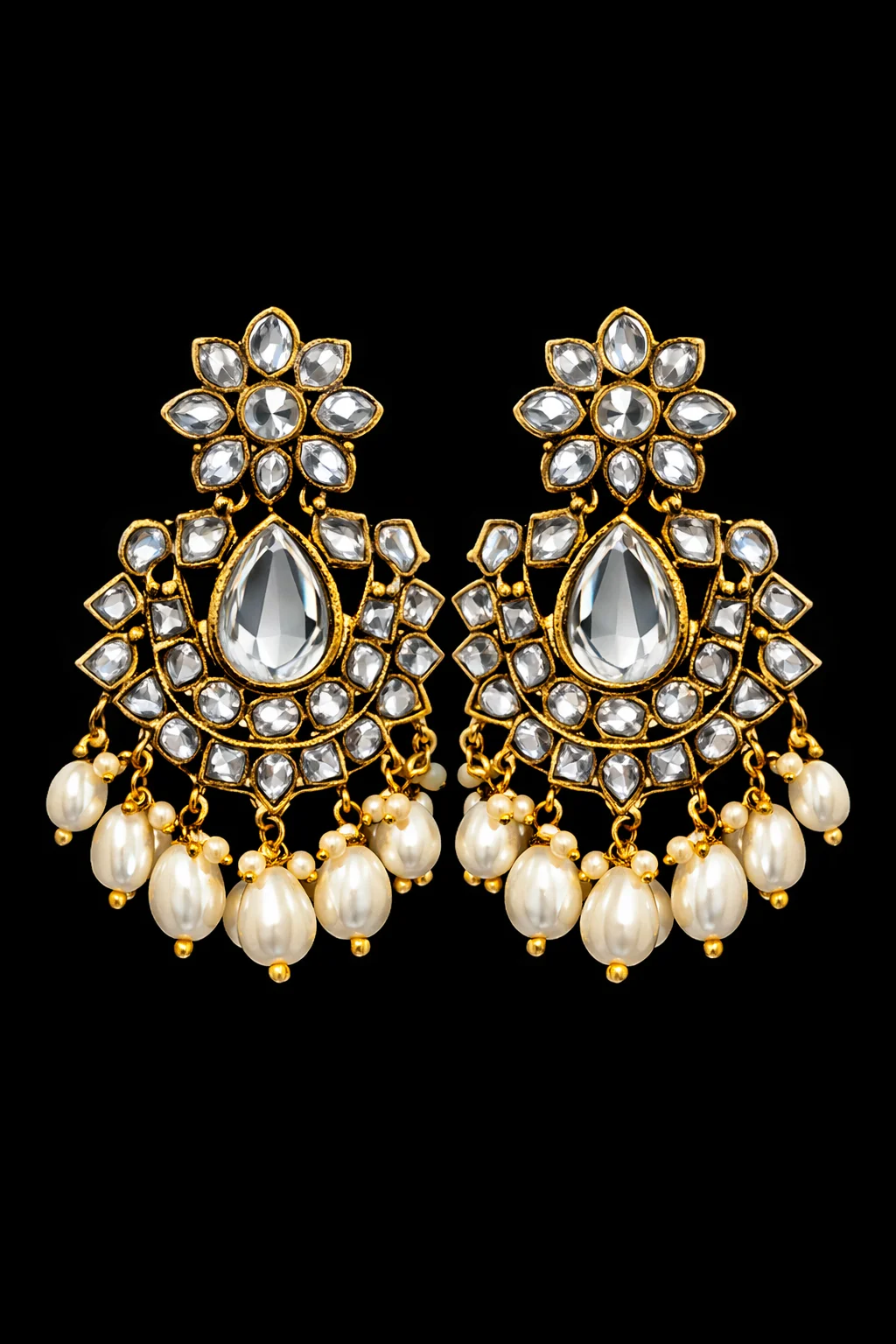
Banarasi silk sarees are bought for weddings across India. Jewellery that complements them, gold-tone Kundan and antique sets, sells well to saree buyers. Saree businesses can add matching jewellery.
Varanasi's buying calendar
- Mahashivratri (February or March).
- Holi (March).
- Dev Deepawali (Kartik Purnima, around November), when the ghats are lit with lamps and huge crowds lift demand for festive and devotional pieces.
- Chhath Puja and Diwali.
- The wedding season.
What retailers ask distributors for
Bridal sets for local weddings, devotional pieces for pilgrims, and bangles.
A sample first factory order
A Varanasi distributor might order: two gold-tone bridal sets, an antique set for saree buyers, a devotional pendant set, a tikka design and a bangle set, at MOQ quantities (200+ pcs per heavy design, 400+ per earring or pendant design).
Getting stock from a Mumbai factory to Varanasi
Rail and road connect Mumbai and Varanasi; plan for transit before the wedding season.
See bridal jewellery manufacturer and saree and boutique stores adding jewellery.
Common mistakes
Treating Varanasi as only a pilgrim market misses the city's large local bridal demand. Equally, stocking only bridal sets misses pilgrims and tourists. A range that covers both, with devotional pieces and bridal sets, serves the city best.
Retail landscape
The old city's narrow lanes host small shops selling devotional items and jewellery; the saree markets draw buyers from across India; newer retail areas serve students and families.
Who buys, and what they want
| Customer | Looks for |
|---|---|
| Brides buying Banarasi sarees | Gold-tone sets that match rich silk and zari |
| Pilgrims and tourists | Religious pendants, small gifts |
| Local families | Festive and wedding jewellery |
A twelve-month stocking plan
| Months | Focus |
|---|---|
| February to March | Mahashivratri and Holi |
| April to June | Summer weddings |
| October to November | Diwali, Chhath and Dev Deepawali |
| November to February | Winter weddings and tourist season |
Place factory orders about two to three months before each focus period, since most designs are made to order in about a month and transport and approval add more time.
Packing and storage for this climate
Summers here are very hot, and heat softens some adhesives used to set stones and can dull lacquer over time. Keep stock away from direct sun and hot shop windows, store cartons in a cool place, and keep display pieces out of strong light for long periods. In the monsoon months, add silica gel to cartons to control humidity.
Pricing notes for this market
Pilgrim and tourist pieces sell at low price points in high volume; bridal sets matched to Banarasi sarees sell at higher prices to families preparing weddings.
When buying direct from a factory makes sense
Bridal retailers working with saree shops benefit most. Designs that sell in the hundreds each season are worth ordering from a manufacturer at 200 pieces per design (400 for earrings and pendants): the unit price is lower, colour and finish stay consistent, and re-orders match exactly. Keep local wholesalers for fast top-ups and designs you are still testing.
Briefing your supplier for this market
Share Banarasi saree colours so stones and finishes match.