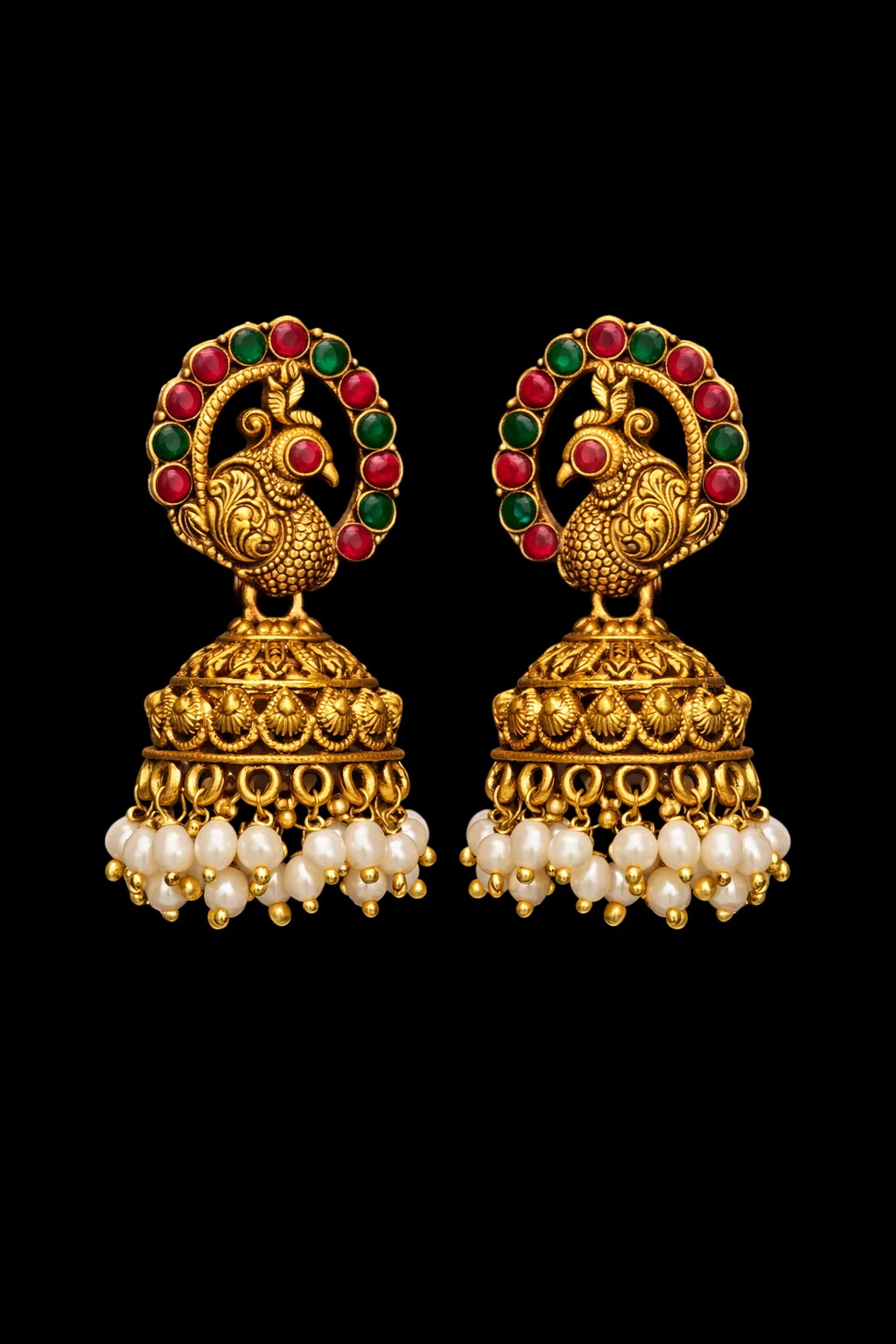
Artificial jewellery is sold at every price from very cheap to surprisingly expensive. Both ends have a market. The mistake is buying the wrong tier for your customers, or paying premium prices for cheap construction.
Where the money goes in a premium piece
- Base metal: more metal, or brass instead of zinc alloy, for weight and durability
- Casting quality: sharper detail, less cleanup
- Plating: better preparation, base layers and finish
- Stones: better glass, CZ or pearls, matched carefully
- Setting: more careful hand work, no glue spill
- Findings: stronger hooks, screws and clasps
- Protective coat and packing
Where cheap pieces save
- Thinner castings and lighter metal
- Minimal preparation before plating
- Lower-grade stones and plastic pearls
- Quick setting with visible glue
- Basic findings
- No protective coat
Matching tier to market
| Market | Suitable tier |
|---|---|
| Impulse buys, fairs, very price-sensitive | Budget |
| Everyday retail and festival wear | Mid |
| Bridal, gifting, chains, export | Premium |
The hidden cost of cheap stock
Returns, complaints and lost repeat customers. For distributors, cheap stock that tarnishes quickly can damage relationships with retailers, who then blame you rather than the factory.
The hidden risk of "premium" labels
Some suppliers charge premium prices for mid-tier construction. Use the checks above, compare samples side by side, and ask what specifically makes a piece premium.
A practical approach
Decide your tier per category. You might sell budget oxidised studs for impulse sales, mid-tier festive sets, and premium bridal. Keep the tiers clearly separated in your pricing.
At Jagruti we make to the specification you choose and quote accordingly, with every unit checked against your approved sample. See how we supply wholesalers and how to judge quality.
A quick in-hand test
When you compare a cheap and a premium sample, check four things in under a minute: weight in the hand, the back of the piece (glue, rough edges), the stones under bright light, and the clasp or hook action. These four checks reveal most of the difference between tiers before any wear test.
Where the price difference actually comes from
| Element | Cheap piece | Premium piece |
|---|---|---|
| Base metal | Mixed scrap alloy, thin castings | Graded alloy or brass, solid sections |
| Plating | Single thin layer, no lacquer | Proper base layers, gold layer and lacquer |
| Stones | Ungraded, mixed colours, glued | Graded, colour-matched, well set |
| Finishing | Rough backs, visible flash lines | Polished backs and edges |
| Packing | Loose in bags | Individual sealed bags with anti-tarnish |
None of these show clearly in a phone photo, which is why cheap stock can look the same as premium stock in a catalogue.
The real cost of a cheap piece
A cheap piece sold at a good margin that comes back tarnished or broken costs the retailer the refund, the customer's trust, and the time spent handling the return. A retailer with a high return rate on cheap stock often earns less than one with lower margins on reliable stock. Track returns by supplier and price tier for one season, and the true cost becomes clear.
When cheap is the right choice
For short-lived fashion trends, festival novelties and pieces sold at the lowest price points, cheaper stock can make sense, as long as customers know what they are buying. The mistake is using cheap stock for bridal sets and everyday pieces customers expect to last.
Talking about quality with customers
Customers can tell the difference between a cheap and a premium piece when they hold both. Keep a premium and a cheap version side by side at the counter, and let customers feel the weight and see the finish. Many choose the better piece once they see the difference for themselves.
Finding the right balance
A healthy range usually has entry pieces for price-sensitive buyers, a solid middle tier that carries most sales, and a few premium pieces that lift the counter's image. Keep bridal and daily essentials in the middle and premium tiers, where quality matters most.
A quick checklist
Weigh it, look at the back, press the stones, check the clasp and ask about the base metal and lacquer. These five checks separate most cheap and premium pieces in under a minute.
Explaining price to retailers
When a retailer asks why your price is higher than another supplier's, show both pieces side by side and walk through the checklist. Retailers who have handled returns from cheap stock usually understand quickly.