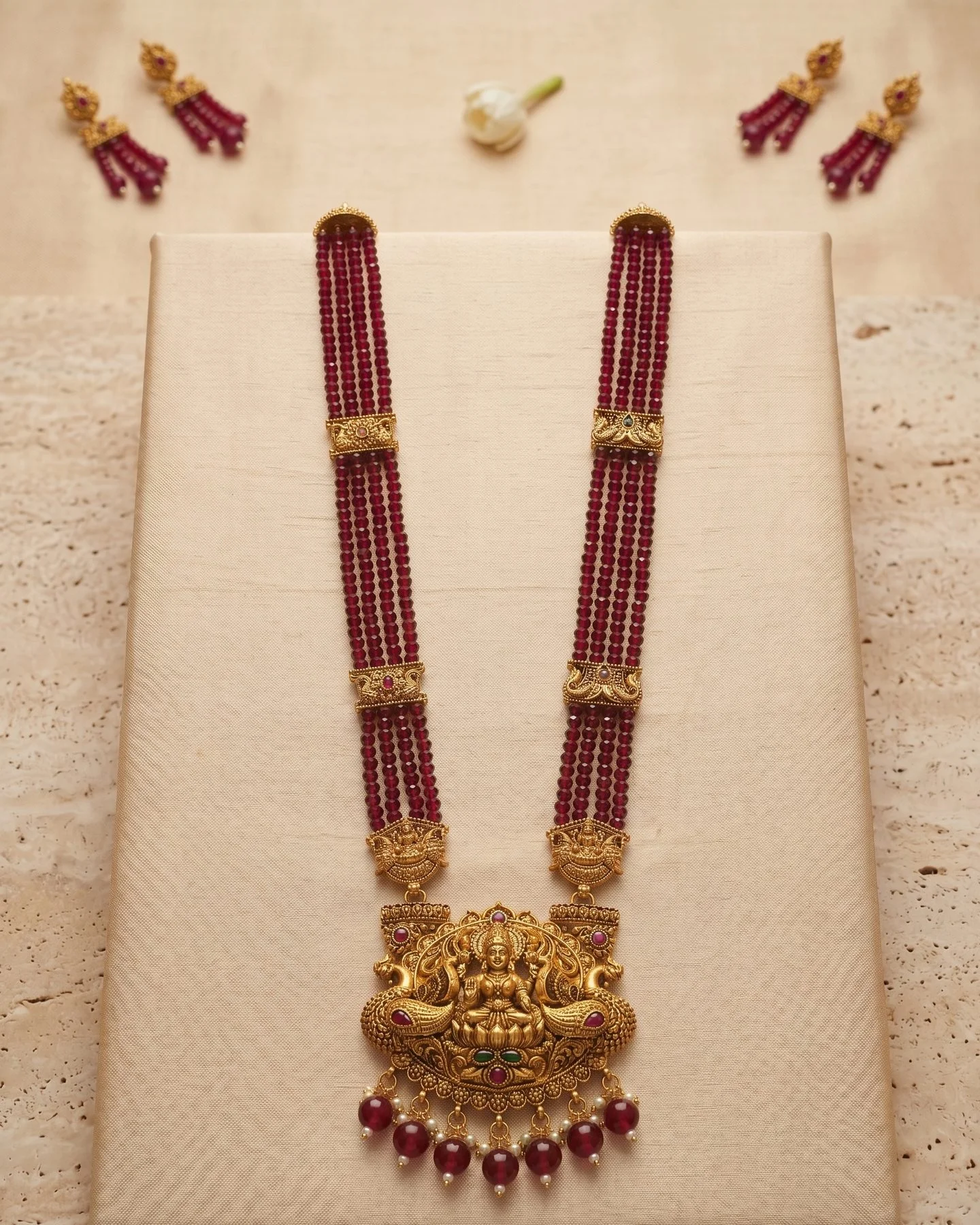
Returns work differently in made-to-order wholesale than in retail. The goods were made for you, to a sample you approved. That shifts the focus from "return if you don't like it" to "fix what does not match what we agreed".
What counts as a defect
- Units that do not match the approved sample in design, finish or stones
- Broken or missing parts on arrival
- Missing stones or loose settings
- Faulty findings: hooks, screws, locks
- Short counts against the invoice
What usually does not count
- Change of mind after approval
- Designs not selling in your market
- Tarnish caused by poor storage after delivery
- Wear from customer use
How to report a defect
- Inspect promptly on arrival.
- Photograph defects clearly with the design code visible.
- Count affected units.
- Send photos, counts and the invoice number to the supplier.
- Keep defective units until the issue is resolved.
How defects are usually resolved
Depending on the issue and the supplier's policy: repair, replacement in the next batch, or credit against future orders. Agree the approach before production, not after a problem appears.
Preventing disputes before dispatch
Most disputes are avoided by checking before the goods leave. At Jagruti, we show your ready stock on a WhatsApp video call and compare it to the approved sample before you clear the balance. You can ask to see backs, findings, stone colours and random units. Read WhatsApp video approval.
Storage and care after delivery
Imitation jewellery should be stored in sealed pouches, away from moisture and sunlight. Pass care advice on to retailers and customers. See our warranty and care page.
Keeping records
Keep the approved sample, order confirmation, video call notes and invoices together for each order. If a question comes up months later, you can answer it in minutes.
Agreeing a defect policy in advance
The best time to discuss defects is before the first order. Ask your manufacturer how they handle units that do not match the sample, transit damage, and short counts. Get the answer in writing, even as a WhatsApp message. When both sides know the rules, a problem becomes a routine fix instead of an argument.
Defect categories most buyers use
| Category | Examples | Usual resolution |
|---|---|---|
| Critical | Sharp edge, broken hook, loose part that could fall off | Replace or credit every affected piece |
| Major | Missing or loose stone, peeling plating, wrong colour | Rework, replace or credit |
| Minor | Small tone variation on the back, tiny polishing mark | Accept within an agreed limit |
| Not a defect | Normal variation in antique finish, handmade character | Accept |
Agreeing these categories with your supplier before the order makes any later discussion much faster.
Transit damage vs manufacturing defects
Damage in transit (crushed cartons, bent pieces) is a matter for the transporter and insurance. Manufacturing defects (loose stones, plating problems) are the factory's responsibility. The first step when a problem appears is to decide which it is: photos of the carton on arrival, and of the problem pieces, usually make it clear.
Returns after sale to customers
When a retail customer returns a piece months after purchase, it is often a care issue: perfume, water, humidity or rough storage. Distinguish these from genuine defects, and give retailers a care card to pass on at sale. Suppliers are rightly more willing to help with clear manufacturing faults than with wear after months of use.
Credits instead of returns
Shipping small quantities of defective jewellery back to the factory often costs more than the pieces are worth. Many buyers agree a credit note against the next order instead, supported by photos and counts. It saves freight for both sides and keeps the relationship moving.
A simple defect report
When you report a problem, use a format like this:
- Order number and date received
- Design code
- Quantity received and quantity checked
- Number of defective pieces, by type (loose stone, plating, broken hook)
- Photos of the defects next to the approved sample
- What you are asking for: rework, replacement or credit
A clear report gets a faster, fairer answer than a phone call saying "the goods are bad". It also gives the factory what it needs to fix the cause, so the next batch is better.
Agreeing a tolerance
Handmade jewellery always has small variations. Agree with your supplier what level of minor variation is acceptable, for example a slight difference in antique tone, so that both sides judge a batch the same way.