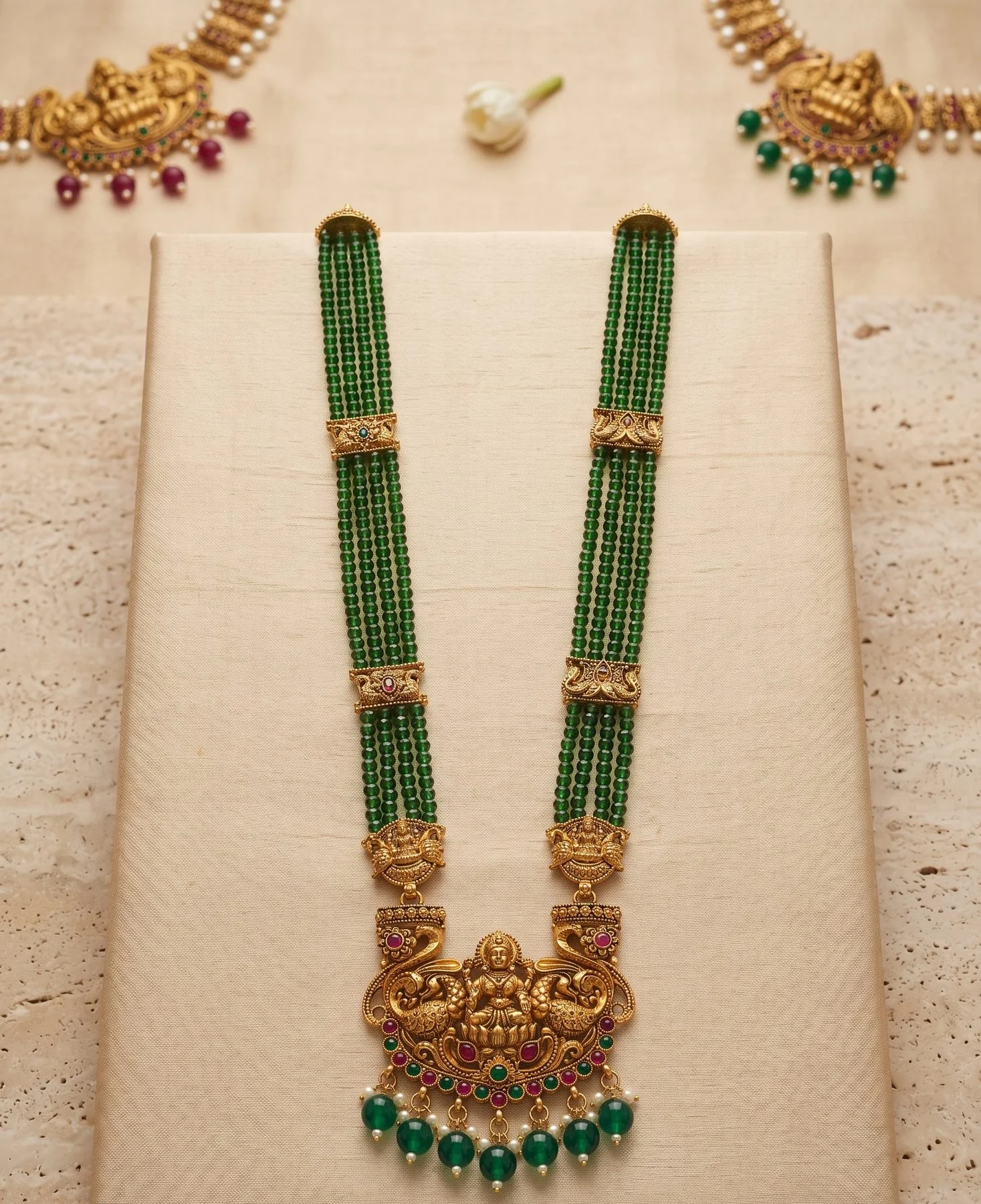
Buyers often ask for a "wholesale price list". Traders with ready stock can offer one. Most manufacturers, including us, quote per enquiry instead. It is not secrecy; it is how made-to-order pricing works.
Reasons factories quote per enquiry
Metal prices move. Zinc, copper and brass prices change. A printed list goes out of date quickly.
Quantity changes the price. Fixed costs are spread over the run. 200 units and 2,000 units of the same design have different unit prices.
Specifications vary. The same design can be made in Mazak or brass, antique or matte, kemp or CZ. Each combination has its own price.
Old lists travel. A PDF shared on WhatsApp circulates for years. Buyers then expect prices that no longer exist.
Custom work. Much of what we make is modified or new. It has no list price until it is specified.
How to get a fast, accurate quote
Send:
- Design codes from the catalogue, or reference photos
- Quantity per design
- Finish and stone colour preferences
- Packing needs
- Your delivery location and deadline
- Your target price, if you have one
With this, we can usually reply the same day.
Using target prices
Telling a factory your target price is not a weakness. If you have a retail price point in mind, give the target factory price for the design. A good manufacturer will tell you honestly whether it is realistic, and if not, what could change to reach it: a lighter casting, fewer stones, a simpler finish or a larger quantity. Target prices lead to better conversations than asking for "your best price" with nothing to work from.
Price validity
Ask how long a quote is valid. Plan your order within that window, especially before peaks when costs and demand rise.
Read how wholesale pricing works or send an enquiry through the contact page.
Comparing quotes fairly
Even if a factory published a list, you would still need to confirm metal, finish, stones and quantity before ordering. Two pieces that look alike in a photo can differ in weight, alloy, plating layers, stone grade and finishing time - real costs that show up months later as durability. So put quotes side by side only when base metal, finish, stones, packing and quantity match. A lower price for a lighter piece in a thinner finish is not a lower price; it is a different product. When one quote is far below another, ask the cheaper supplier to specify each point in writing before you compare.
What to do with a quote
Check the specification line by line, confirm the validity date, and ask what would change the price if you adjusted quantity or finish. Keep quotes on file: over a few seasons they show you how prices move and help you budget.
What actually goes into a quote
When a factory prices a design for you, it works through:
- Metal: the weight of zinc alloy or brass per piece, at current metal prices
- Casting and finishing: labour per piece, which depends on complexity
- Plating: the finish chosen, and how many layers
- Stones: number, type and grade of stones per piece
- Setting labour: often the biggest single labour cost for stone-heavy pieces
- Findings: hooks, chains, screws, threads
- Packing: individual bags, strips, boxes
- Quantity: how far fixed costs are spread
Change any of these and the price changes. A printed list cannot capture those combinations, which is why a quote with your quantities and choices is more accurate than any list.
Trade accounts with visible prices
Some manufacturers now give approved trade buyers access to their factory rates online after checking their business details, while keeping prices hidden from the public. It combines the speed of a price list with the control of a quote. At Jagruti, approved trade accounts can see factory rates for catalogue designs in their account, with quantity breaks, and prices are dated so both sides know when they were set.