Customers decide within seconds whether a counter looks inviting. A good display does not need an expensive shop fit. It needs thought about layout, light and grouping. These tips apply to jewellery shops, boutiques, saree stores and stalls.
Group by occasion, not by product type
Customers shop for a moment: a wedding, a festival, the office, a party. Grouping bridal sets, festive sets, daily wear and party pieces separately helps them find what they need. Within each group, mix necklaces, earrings and bangles so they see complete looks.
Show pieces worn
Necklaces look flat lying in trays. Neck forms and busts show how a piece sits. Use them for your best bridal and festive sets.
Keep it uncluttered
Too many pieces overwhelm customers. Show fewer designs, displayed well, and keep the rest in drawers to bring out when asked.
Make earrings easy to browse
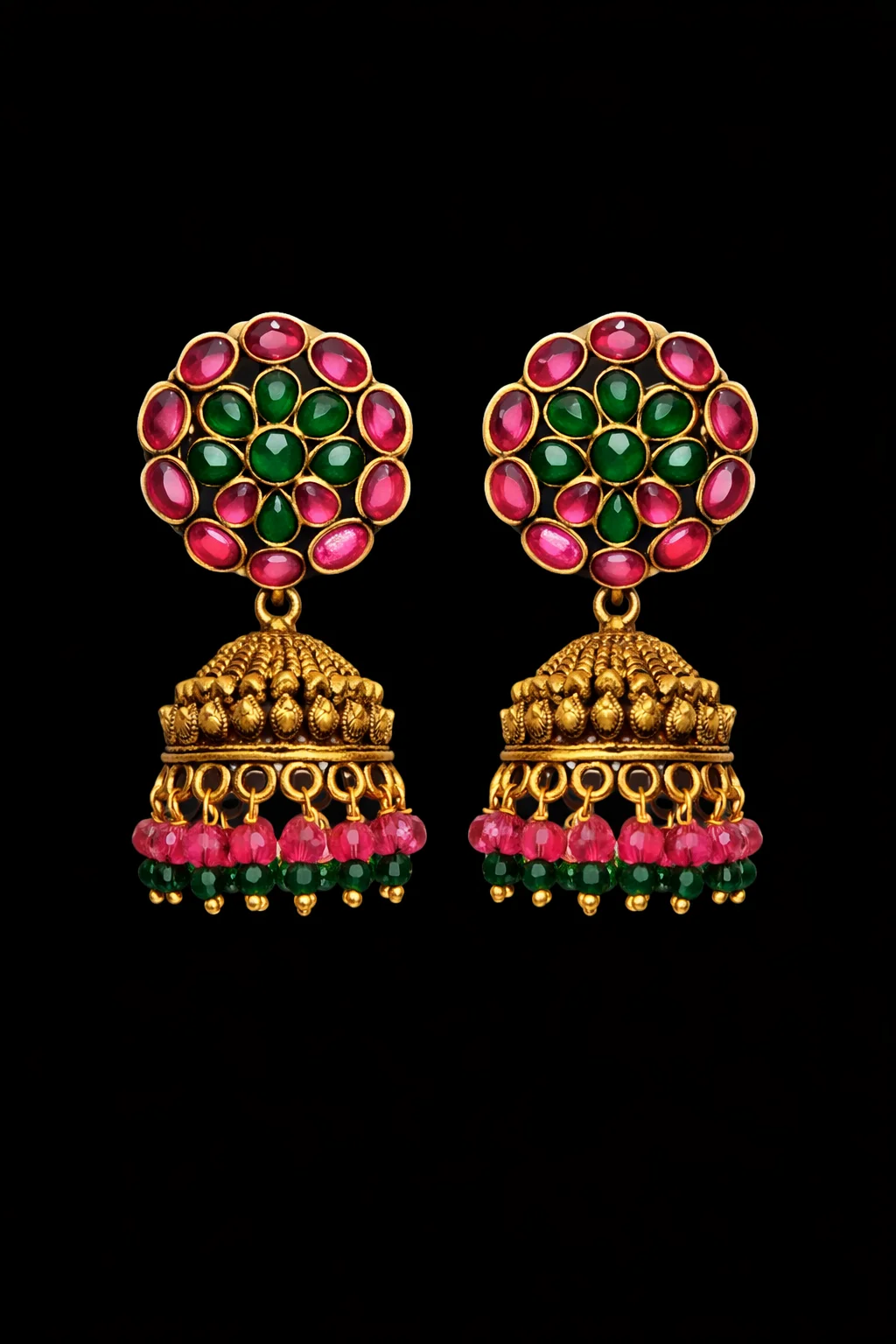
Earrings on display cards or stands, arranged by size and style, invite browsing.
Price visibility
Clear price tiers help customers self-select. Some stores prefer not to show prices on bridal pieces; for everyday pieces, visible prices speed decisions.
Common mistakes
Displaying every design at once, using cold lighting, and leaving the same display unchanged for months. Another is putting bridal and budget pieces side by side, which confuses the perceived value of both.
An example layout
A small boutique might have one bridal bust at the entrance, a festive section with three neck forms, an earring wall near the mirror, and a bangle tray by the billing counter.
See imitation jewellery for retailers.
The layout of a counter that sells
| Zone | What goes there | Why |
|---|---|---|
| Eye level, front | Best sellers and new arrivals | Most seen, most tried |
| Front corners | Complete looks on busts | Show how pieces are worn together |
| Middle trays | Earrings by size and style | Easy browsing |
| Lower shelves | Bangles and bulk items | Customers look down for these |
| Near the till | Small add-ons: studs, nose pins, hair clips | Impulse purchases |
| Behind glass | Bridal and premium sets | Security and perceived value |
Lighting in practice
Use warm-white light (around 3000 to 4000 K) for gold-tone jewellery, which makes gold look rich, and a cooler light for AD, silver and oxidised pieces, which makes stones sparkle and silver look crisp. Avoid harsh cold light on antique finishes, which makes them look dull, and strong coloured lighting that changes stone colours: customers will be disappointed when they see the piece in daylight. Spotlights on hero pieces draw the eye. Where possible, give customers a spot near natural light to see the true colour before buying.
Keeping displays safe
Small, valuable pieces are easy to steal. Keep premium items behind glass, show one piece of a design out of the case at a time, keep a count of display pieces at opening and closing, and position staff where they can see the whole counter.
Refreshing the display
Customers who visit often notice when nothing changes. Rotate the front of the counter every two weeks, bringing forward new arrivals and seasonal pieces, and moving slow sellers to a new position or pairing them with better sellers. Before each festival, rebuild the front display around that festival's colours and pieces. A refreshed counter signals new stock even when the range is largely the same, and gives regular customers a reason to look again.
Cleaning routine
Dust and fingerprints dull jewellery quickly under shop lights. Wipe glass and trays daily, clean display pieces gently with a dry cloth, rotate display stock so it does not tarnish under the lights, and replace pieces that have been handled heavily with fresh stock from sealed packs. A clean, bright counter sells more than a crowded, dusty one, whatever the stock.
Mirrors and trying on
Customers buy jewellery they have tried. Place mirrors at the counter and near the entrance, keep sample pieces of popular earrings out of their bags for trying on, and make trying easy and hygienic with wipes for earring hooks.