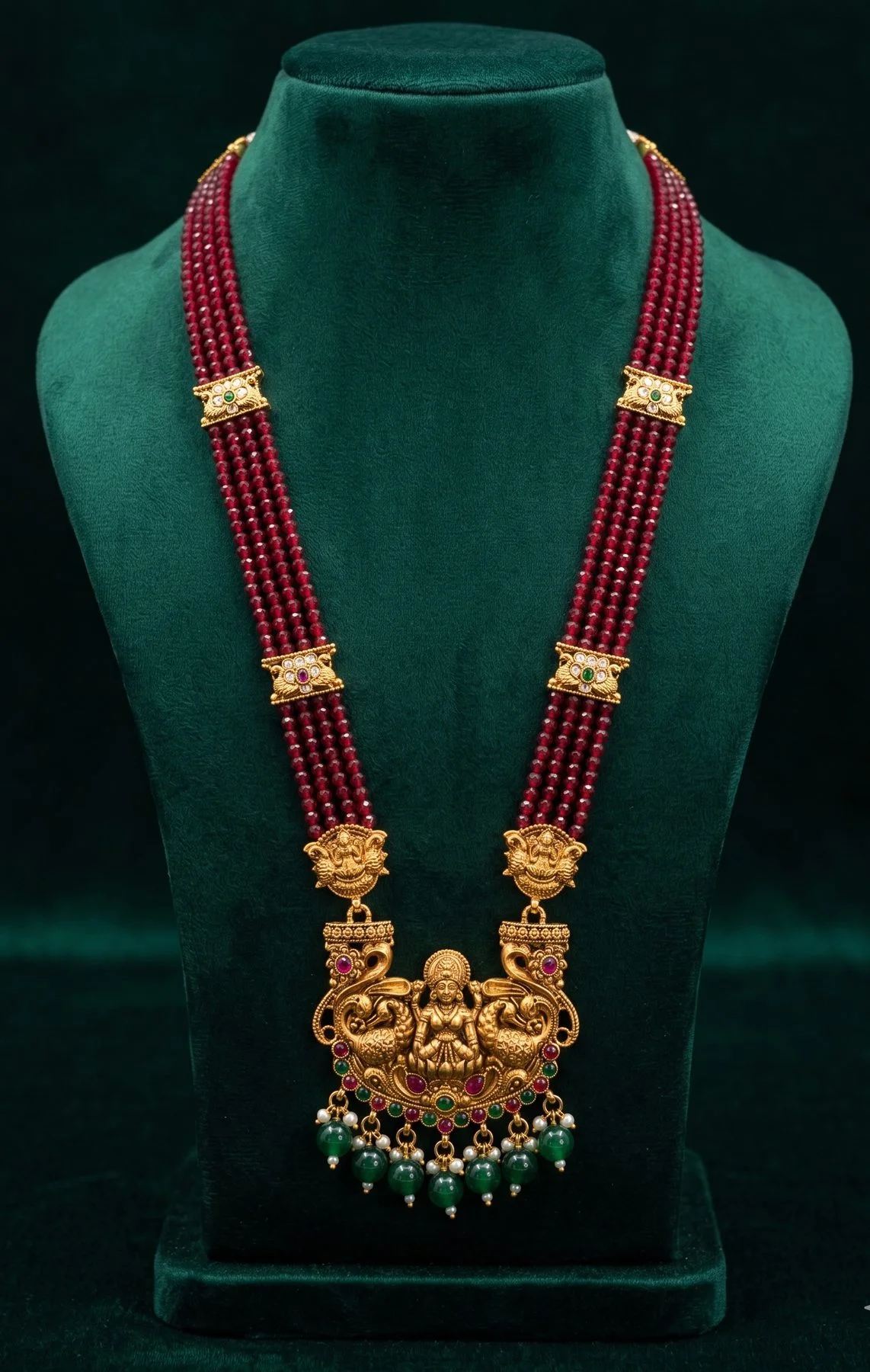
Running out of a bestseller in peak season costs more than any discount you could negotiate. Re-order planning is how established wholesalers and chains avoid it. It does not need software; it needs a simple routine.
Track sell-through per design
Sell-through is the share of stock sold in a period. For each design code, record units received, units sold each week or month, and units left. A design that sells half its stock in a month needs attention long before it is empty.
Know your lead time
With a factory that makes to order, a re-order is a fresh production run, not a pick from a warehouse. Lead time applies every time, so your re-order point must allow for it. Repeat designs are faster than new ones because moulds exist, but before Diwali or wedding peaks every factory is busier. Ask your manufacturer for realistic re-order lead times by season. Read lead time for bulk orders.
Set a re-order point
A simple rule: re-order when stock left will only last as long as the lead time plus a safety margin. If a design sells about 100 units a month and re-orders take about a month, re-order when you still have well over 100 units, not when you have 20.
Re-order point = average sales per week x lead time in weeks + safety stock
Suppose a jhumka design sells 40 pairs a week across your retailers, the factory needs about 4 weeks to make it, and transport and approval add another week.
| Item | Figure |
|---|---|
| Weekly sales | 40 pairs |
| Total lead time | 5 weeks |
| Demand during lead time | 200 pairs |
| Safety stock (about two weeks of sales) | 80 pairs |
| Re-order point | 280 pairs |
With a factory MOQ of 400 for earrings, you would order 400, which lasts about ten weeks at current sales.
Keep safety stock of top sellers
Your top five to ten designs deserve extra stock. They carry most of your revenue, and customers who cannot find them may not come back.
Plan around peaks
Weekly sales are not steady in jewellery. Before Navratri, Diwali and the wedding months, sales of some designs can double or triple, so use last year's sales for the same weeks, not your average, when planning re-orders that land in a peak.
| Peak | Re-order early for |
|---|---|
| Wedding months | Bridal sets, chokers, haarams |
| Navratri | Oxidised and colourful pieces |
| Diwali | Festive sets and gifting |
| Regional festivals | Region-specific styles |
After the peak, drop back to normal levels so you are not left holding festival stock in a quiet month.
Retire slow designs
If a design has not sold a meaningful share after a season, or its sales have fallen for three or four weeks in a row outside a normal seasonal dip, stop re-ordering it. Sell through what you have and put the money into a proven seller or a new test rather than ordering another full MOQ.
Re-order with exact specifications
Record the design code, finish, stone colours and packing from the first order. Send the same details, the approved sample photo and the approval note with every re-order, and ask the factory to confirm they are working from the same reference.
Consolidate re-orders
A re-order is at least one MOQ per design: 200 pcs (400 for earrings and pendants) at Jagruti. Grouping re-orders of several designs into one order simplifies transport and gives the factory a clearer production plan.
A simple re-order sheet
Keep one line per design with: design code, current stock, weekly sales over the last four weeks, lead time, re-order point, and date of last order. Update it weekly. Sorting the sheet by "weeks of stock left" shows at a glance which designs need ordering now and which are overstocked.