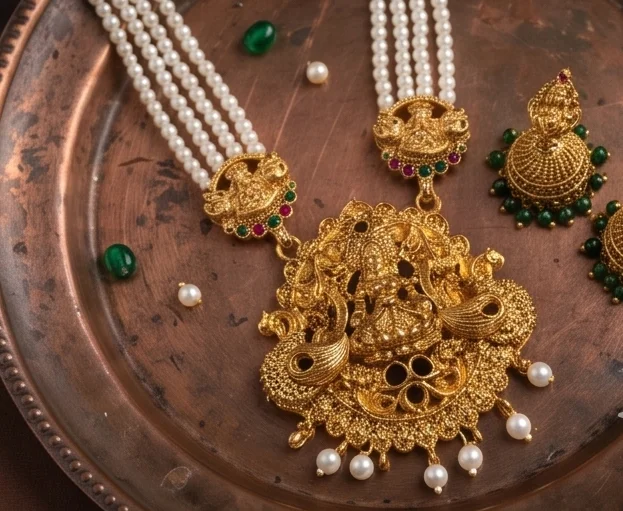
Large orders do not have to arrive all at once. Batch-wise production splits a big order into stages, each produced, approved, paid and delivered in turn. For distributors and chains, it matches stock arrival to sales and eases cash flow.
How batch-wise production works
- Agree the full order: designs, quantities, finishes, total value.
- Plan the batches: for example, three batches over the season.
- Each batch: an advance as the batch starts, production, QC against the approved sample, video approval, the balance for that batch, dispatch.
For large orders, some factories agree a single advance that is adjusted across batches. Put the payment schedule in writing with the batch dates, so both sides know exactly what is due and when. At Jagruti, batch-wise payment is available on orders of 1,000+ units, and we regularly handle 5,000+ unit orders this way.
Benefits for buyers
- Cash flow: pay in stages instead of all up front.
- Storage: receive what you can store and sell.
- Flexibility: adjust later batches based on early sales, within agreed limits.
- Quality: each batch is checked separately.
Benefits for the factory
- Steadier production planning
- Materials bought in stages
- Clear checkpoints with the buyer
How to plan batches
| Batch | Typical content |
|---|---|
| First | Hero designs and bestsellers needed first |
| Second | Supporting pieces and re-stock of fast movers |
| Third | Late-season top-ups and any changes |
Time batches so each arrives before the demand it serves, with a margin for transport.
Keeping batches consistent
The main risk in batching is that batch three does not look like batch one. To prevent it:
- keep the approved sample and approval note as the fixed reference for every batch
- record stone colours and finish codes, and ask for stones from the same lot where possible
- check the first pieces of each batch against the reference before the rest is finished
- compare the new batch with the previous one on the video call
What to agree up front
- Batch sizes and target dates
- Whether later batches can change design mix, and the deadline for changing a batch's contents - usually before that batch's production starts, so the factory can plan materials and labour
- Payment per batch
- Price validity across the season
Read working capital planning or apply for wholesale pricing.
An example of batching a 5,000-piece season
| Batch | Contents | Timing | Purpose |
|---|---|---|---|
| 1 | 1,500 pieces of the six proven best sellers | Eight to ten weeks before the peak | Stock the shelves early |
| 2 | 1,500 pieces: new designs plus top-ups | Six weeks before the peak | Test new designs, refill winners |
| 3 | 2,000 pieces, adjusted to sell-through | Three to four weeks before the peak | Put money behind what is actually selling |
Each batch is approved and paid for separately, so cash goes out in stages and the later batches reflect real sales rather than guesses.
When batching is not worth it
For small orders close to the MOQ, splitting into batches adds handling and transport cost without much benefit. Batching pays off on large seasonal orders, where cash flow and the ability to react to sales matter most.
Transport for batches
Each batch is a separate dispatch, so plan transport for each one. Using the same transporter and the same carton marking for every batch keeps receiving simple, and lets you compare what arrived against each batch's approval video.