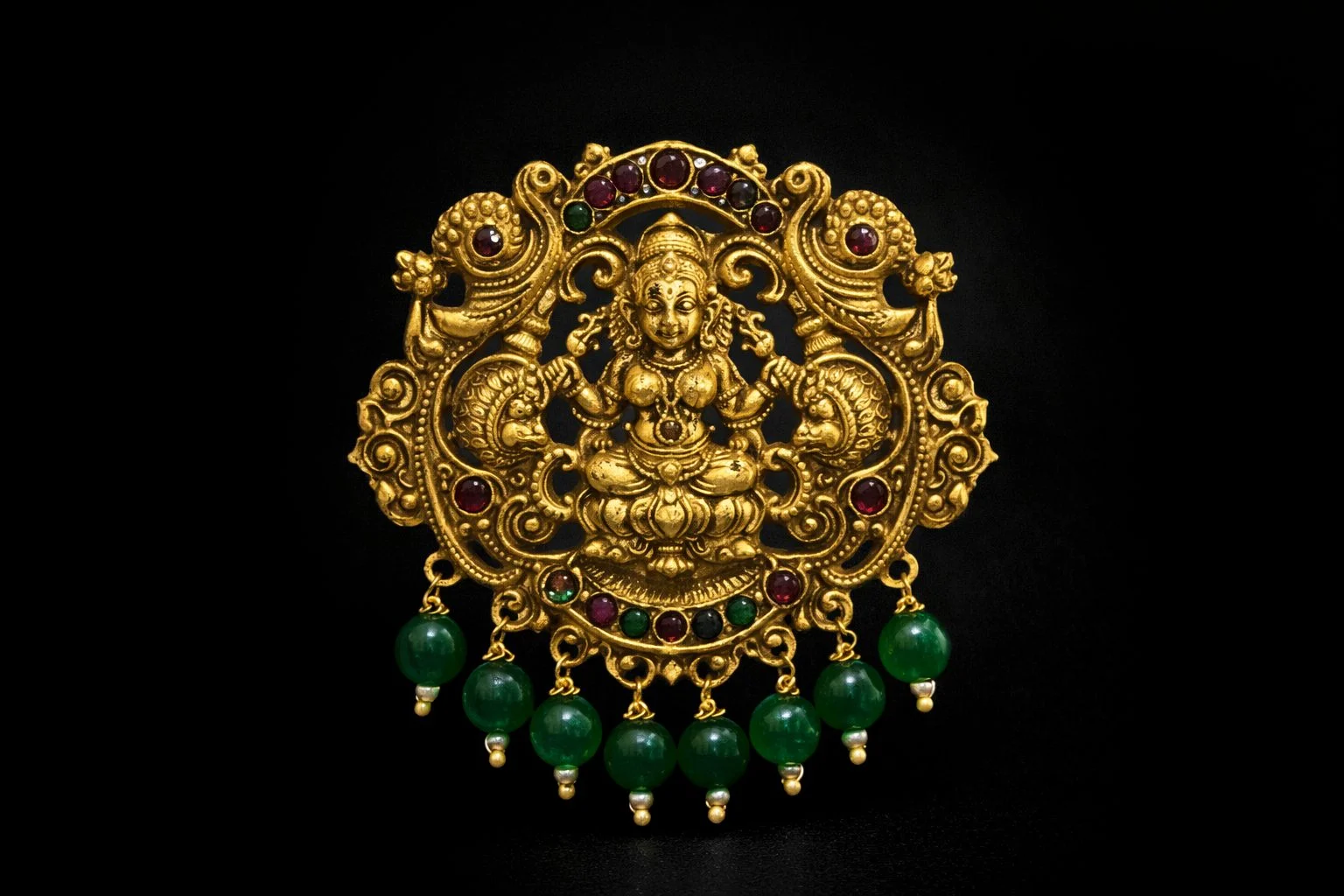
White label jewellery lets a brand sell a manufacturer's ready designs under its own name. It is the fastest way for online brands, boutiques and retail chains to launch a jewellery range without building designs from scratch.
White label vs private label
| White label | Private label | |
|---|---|---|
| Design | Manufacturer's existing designs | Made to your brief |
| Speed | Faster | Slower (design and sample stages) |
| Exclusivity | Others may sell the same design | Can be exclusive |
| Cost | Lower upfront | Higher (new moulds) |
Read private label jewellery manufacturers in India.
Costs to plan
Product cost per unit, packaging per unit, and any setup cost for printed packaging (packaging suppliers have their own minimums).
When to move from white label to private label
White label works well to test a market. Once you know which styles sell for your brand, commission private label designs, created for you and often exclusive, for your hero products, or an exclusive variation of a white label bestseller, so competitors cannot sell the identical piece. Many brands keep white label for fillers and use private label for the pieces that define them.
Working with us
Choose from our wholesale catalogue and we produce under your brand at 200 pcs per design (400 for earrings and pendants), with branded packaging for regular accounts. See private label manufacturing.
Choosing designs for a white label range
Start with categories that sell steadily online and in stores: jhumkas, pendant sets, chokers and lighter necklace sets. Pick a mix of price points. Add a few statement pieces for campaigns. Use sales data from your first three months to decide which designs to deepen and which to replace.
Quality and consistency
Your brand carries the complaint if quality slips, not the manufacturer. Approve samples, check ready stock on video before dispatch, and keep the approved sample as the standard for every re-order.
A white label launch, step by step
- Choose designs from the manufacturer's catalogue by design code, to fit your brand and price point, and agree finish and stones.
- Decide the branding: tags, cards, pouches or boxes with your name and logo.
- Agree quantities at the manufacturer's MOQ, and any exclusivity for your region or channel.
- Approve samples in your branded packaging.
- Place the order and plan your launch for when stock arrives.
- Track sales by design, so you know which to re-order and which to replace.
White label lets a new brand launch in weeks rather than months, because the designs, moulds and samples already exist.
What must be on the packaging
If you sell in retail packs, India's Legal Metrology rules for packaged goods generally require the maximum retail price, the name and address of the manufacturer or packer (or the importer), net quantity, the month and year of packing, and consumer care details. Add care instructions, and for export any details the destination requires, such as country of origin. Your manufacturer can advise which details they will print and which you must add as the brand owner. Describe the product honestly: imitation jewellery, gold-plated or gold-tone, with materials where relevant.