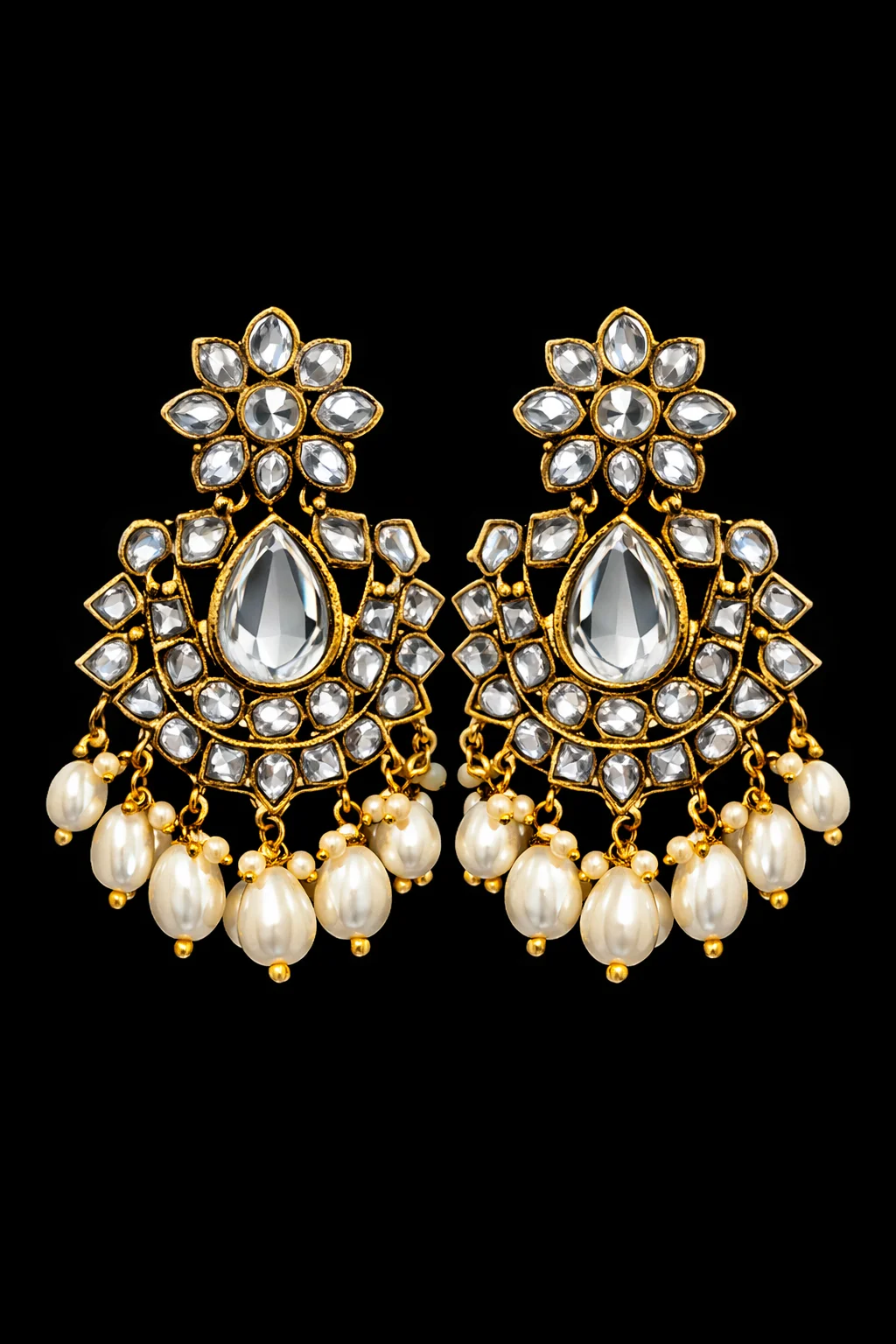
A wholesale imitation jewellery business buys in bulk and sells to retailers. It can be profitable, but it runs on relationships, cash flow and good stock choices. These steps apply whether you are starting fresh or moving up from retail.
1. Understand your market
Visit retailers in your target area. Learn which styles, price points and seasons matter. Note gaps in what current wholesalers supply.
2. Decide your focus
Pick a territory and a range: for example, South Indian temple jewellery for retailers in one state, or bridal Kundan for a city. Focus beats breadth at the start.
3. Register properly
GST registration, a business bank account and simple accounting. Retailers expect GST invoices.
4. Plan working capital
You will pay suppliers before retailers pay you. Plan for advances, stock and credit. Read working capital planning.
5. Choose suppliers
Start with wholesalers for variety and small quantities. As your bestsellers become clear and volumes grow to hundreds per design, move them to a manufacturer for better margins.
6. Build your retailer network
Visit shops regularly, offer a clear catalogue, deliver reliably and set clear credit terms.
7. Grow with data
Track sales per design and retailer. Re-order winners, drop slow designs, and add exclusives.
Common mistakes
Starting with too many designs, giving loose credit, and competing only on price.
When to approach a manufacturer
When your core designs sell hundreds of units a season, factory-direct buying at MOQ per design improves margin and consistency. At Jagruti, MOQ is 200 pcs per design (400 for earrings and pendants) and typical first orders range from 1,000 to 5,000 units.
See imitation jewellery for wholesalers and becoming a distributor.
Your first year
Expect the first year to be about learning: which retailers pay reliably, which designs sell, which suppliers deliver. Keep your range focused and your credit tight while you learn.
A starting budget, illustrated
| Item | Example figure |
|---|---|
| First stock (about 1,500 pieces across 6 to 8 designs) | Rs 3 to 4 lakh |
| Samples and catalogue photos | Rs 20,000 to 40,000 |
| Registration, accounting set-up | A few thousand rupees plus professional fees |
| Packaging and stationery | Rs 15,000 to 25,000 |
| Working capital for retailer credit | Rs 1 to 2 lakh |
| Reserve for surprises | About 10% of the total |
These are illustrations; your figures depend on range, city and credit terms. The key point is that stock is only part of the money you need: credit to retailers and reserves matter as much.
The first ninety days
- Weeks 1 to 2: registrations, supplier shortlist, samples.
- Weeks 3 to 6: first factory order, catalogue, retailer list.
- Weeks 7 to 10: stock arrives, first retailer visits, first sales.
- Weeks 11 to 13: review what sold, plan the first re-order.
Keep the first order focused on proven styles for your market, and let sales data guide everything after.
Choosing a niche
New wholesalers do best with a clear focus: a region's traditional styles, a category such as oxidised jewellery, or a customer type such as saree stores or rental businesses. A focus makes it easier to choose suppliers, build a catalogue and become known to retailers. Once the core business is steady, add categories one at a time.
Building your first retailer relationships
Start with retailers you can visit easily. Offer a small, well-chosen range, reliable delivery and honest terms. Ask for feedback after the first month: which designs sold, which did not, what customers asked for. Retailers remember wholesalers who listen, and they recommend them to other shops.
Growing step by step
Grow in three directions, one at a time: more retailers in your area, more categories for existing retailers, and new territories. Trying all three at once stretches cash and attention. Review margins, stock turns and collections every month, and expand only when all three are healthy.
Mistakes to avoid in year one
Ordering too many designs, giving too much credit, ignoring the festival calendar, and choosing suppliers on price alone are the most common first-year mistakes. Each one ties up money or damages trust. Avoid them, and the second year is much easier.
Registering properly
Register for GST from the start, open a current account in the business name, and keep invoices for every purchase and sale. Clean records make supplier relationships, bank loans and growth far easier later.