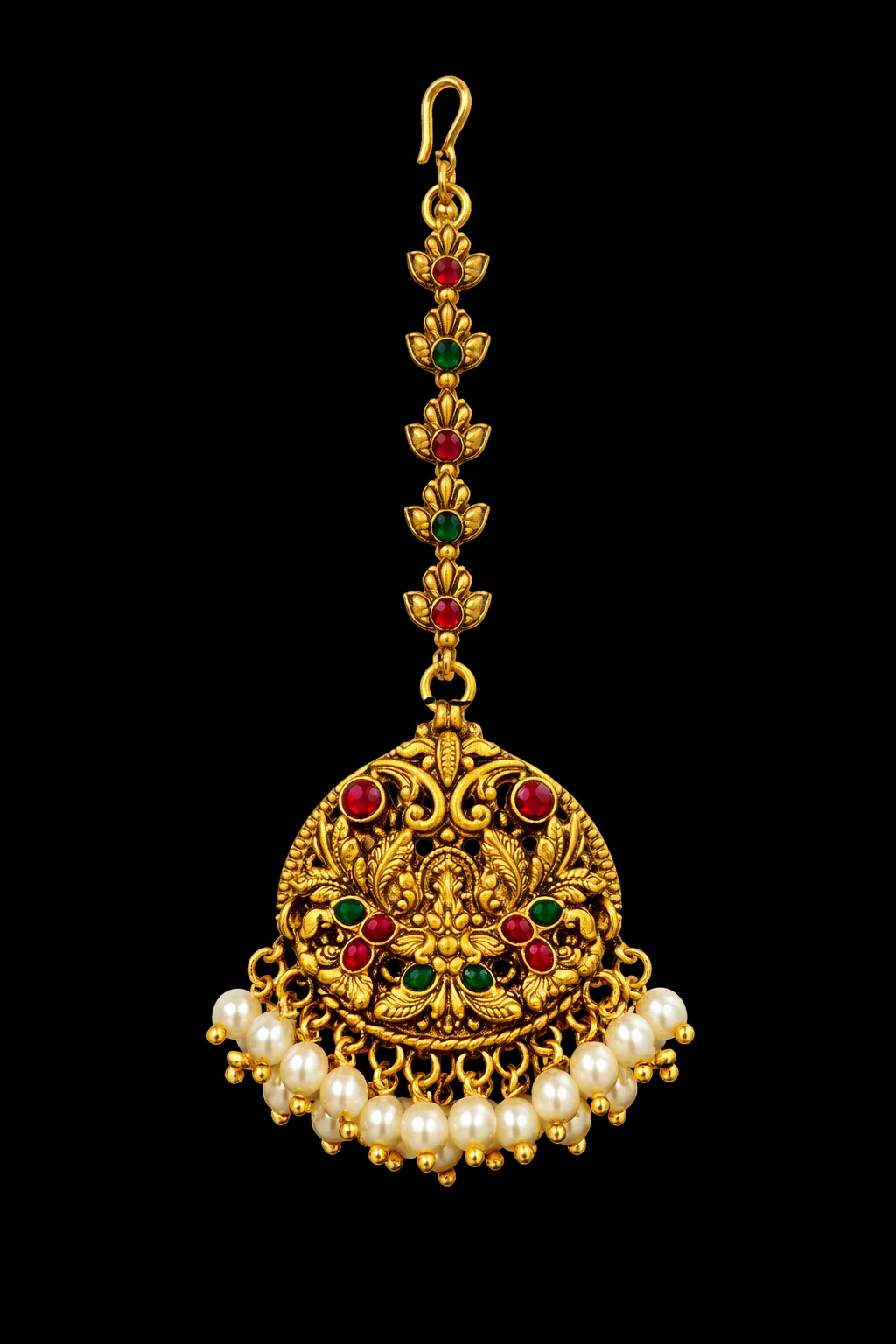
Navratri, nine nights of worship and dance, is one of the biggest single spikes in Indian fashion jewellery. In Gujarat, Maharashtra, Madhya Pradesh, Rajasthan and beyond, people dance garba and dandiya every night, often in a different outfit and jewellery each time. For wholesalers, Navratri can be the most important oxidised jewellery season of the year.
What sells
- Oxidised jhumkas, especially large statement designs
- Chokers and long necklaces in oxidised and tribal styles
- Maang tikkas and matha pattis
- Bajubands (armlets) for sleeveless cholis
- Hathphool and rings
- Anklets with ghungroo
- Kamarbandh (waist chains)
- Nose pins and naths
- Colourful thread, bead and mirror jewellery
Durability for dancing
Garba is energetic. Jewellery must stay on and hold together for hours:
- Strong hooks and secure clasps
- Beads firmly strung
- Light enough for long wear
- No sharp edges that catch on fabric
Pieces that fall apart on the dance floor lead to complaints and lost customers.
Timeline
Retailers want Navratri stock on display several weeks before the festival. Work backwards: delivery to retailers, transit, production, sample approval. For new designs, that means ordering well ahead. Late stock is often discounted after the festival.
Stocking plan
| Piece | Share of Navratri range |
|---|---|
| Jhumkas | Largest |
| Necklaces and chokers | High |
| Tikkas and armlets | Medium |
| Anklets and waist chains | Medium |
| Nose pins, rings | Smaller |
Adjust based on your own sales history.
Colour trends
Chaniya choli colours change each year. Oxidised silver goes with everything, but coloured beads and thread accents should match the season's trends. Ask retailers what they are seeing.
After Navratri
Oxidised pieces continue selling year-round, so leftover stock is less of a problem than with festival-only items. Colourful accent pieces should be cleared quickly.
We manufacture oxidised pieces at 200 pcs per design (400 for earrings and pendants). See oxidised jewellery wholesale, oxidised jhumkas and Gujarati jewellery.
How the date is set, and why it moves
Sharad Navratri begins on the first day of the bright half of the Hindu month of Ashwin, usually in September or October, and runs for nine nights, followed by Dussehra. Because the festival follows the lunar (or luni-solar) calendar, its date on the Gregorian calendar shifts from year to year. Check the date for the coming year as soon as the new panchang or calendar is published, and plan factory orders backwards from it rather than from last year's date.
Why jewellery matters at Navratri
In Gujarat and among Gujarati communities everywhere, Navratri means nine nights of garba and dandiya. Women dress in chaniya cholis with bold jewellery, often a different look each night. In other regions, Navratri is also celebrated with fasting, worship of the goddess in her nine forms, golu displays in the South, and Durga Puja in the East. The dance traditions drive the strongest jewellery demand.
Selling Navratri jewellery well
- Group by colour: many customers follow a colour for each night of Navratri, which is widely publicised each year. Displaying jewellery by the day's colour makes choosing easy.
- Show complete looks: jhumkas, necklace, kamarbandh, bajuband and tikka together.
- Keep prices accessible: customers buy several sets, so volume at the middle price tier wins.
- Restock mid-festival: popular designs sell out in the first nights; keep a reserve.
A ready-made assortment
| Piece | Share of the order | Notes |
|---|---|---|
| Oxidised jhumkas | About a third | The volume leaders |
| Oxidised and coin necklaces | About a fifth | Complete the garba look |
| Kamarbandh and bajuband | About a sixth | Add-ons with good margin |
| Tikkas and haath phool | About a sixth | Finishing touches |
| Colour-stone sets | The rest | For the nightly colours |
Keep designs light, bold and in many colours.
After the season
Unsold Navratri jewellery can be carried to next year if it is classic; trend pieces should be cleared through bundles and discounts after Dussehra. Record what sold by design, colour and price point in the final week, while it is fresh. That record is the best guide to next year's order.
Display ideas
Arrange a wall by the nine colours of Navratri, with complete looks for each colour. Put a mirror close by: Navratri customers try on more than at any other time.
Briefing your staff
Staff should know the colour of each night, suggest a complete look (jhumkas, necklace, kamarbandh, tikka) and point out the lightweight designs for dancers.