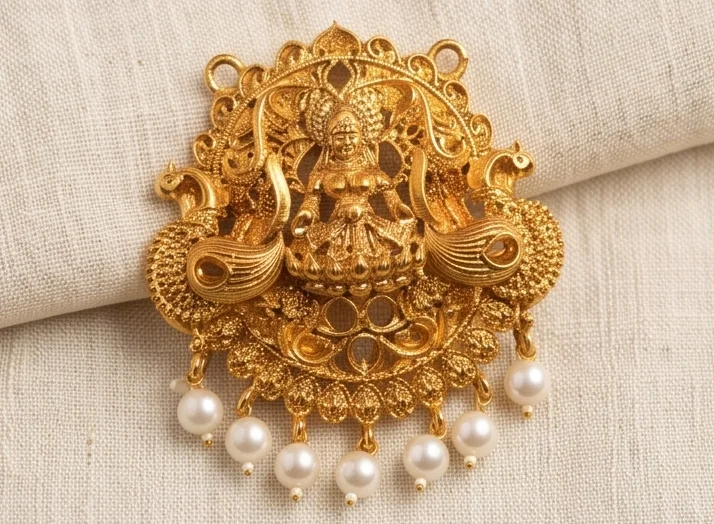
Zaveri Bazaar in South Mumbai is one of India's oldest and busiest jewellery markets. Gold and diamond traders sit alongside imitation jewellery wholesalers, and the neighbouring areas of Kalbadevi and Bhuleshwar add hundreds more shops selling fashion jewellery, bridal accessories and packing materials. For a first-time buyer, it can be overwhelming. This guide explains how to use it well.
What you will find
- Showrooms and wholesale shops displaying thousands of imitation designs: temple, Kundan, AD, antique, oxidised and fashion.
- Traders selling ready stock from many manufacturers.
- Manufacturers' outlets, where the shop is the front for a workshop elsewhere, often in the suburbs.
- Accessory and packing suppliers for boxes, pouches and display items.
How buying works there
Most shops sell ready stock by the dozen or by the piece, with prices that depend on quantity and your relationship. Designs change quickly; what you see today may be gone next month. Cash and UPI are common, and GST invoices are available from registered businesses when you ask.
Strengths of buying in Zaveri Bazaar
- Huge variety in one place
- Ready stock you can take home the same day
- Smaller quantities per design
- A good way to see trends
Limits for wholesalers
- Prices include the trader's margin
- Designs are not exclusive; your competitors see the same stock
- Re-orders may not match the first batch
- Custom changes are rarely possible
When to go factory-direct instead
If you already know which designs sell for you and need 200 or more units per design, going to the manufacturer usually gives better prices, consistent re-orders and the option to customise. Many buyers use Zaveri Bazaar to spot trends and test designs, then order their bestsellers from a factory. Read manufacturer vs wholesaler vs trader.
| You need | Better route |
|---|---|
| A few pieces of many designs today | Zaveri Bazaar showrooms and wholesalers |
| 200 or more pieces of a design, re-orderable | A manufacturer, often in the suburbs |
| Custom colours or sizes | A manufacturer |
| To see the widest range quickly | Zaveri Bazaar |
Practical tips for a visit
- Go on a weekday morning. Shops open late morning and afternoons are crowded; on Sundays many are closed.
- Use the local train. Marine Lines and Charni Road stations on the Western line, and Masjid on the Central line, are closest. Parking is very difficult.
- Carry photos of what sells for you and your target price points.
- Note design codes from shops you like, and photograph pieces with permission, noting the shop and code.
- Ask who makes it. Many showrooms sell from several manufacturers; ask whether they manufacture, where, and which designs they can re-order in what quantity.
- Collect visiting cards and WhatsApp numbers; most re-orders happen by phone.
- Ask for GST invoices if you are registered.
- Check a few pieces closely: backs, hooks, stone setting.
- Keep valuables secure. It is a crowded market; carry cash and phones carefully.
Combining the market with a factory visit
Many buyers spend a morning in Zaveri Bazaar and an afternoon at a factory in the western suburbs. Our factory in Kandivali East is reachable by the Western Railway line. Read Malad and Kandivali workshop belt.
Seasons in the market
Zaveri Bazaar is at its busiest before Navratri, Diwali and the winter wedding season, and again before Akshaya Tritiya. Visiting in quieter months, such as June to August, gives more time with owners and more room to negotiate.
Negotiating in the market
Prices in Zaveri Bazaar wholesale shops depend on quantity and on whether you are a repeat buyer. Ask for the rate at the quantity you will actually buy, not for a single piece, and ask whether the rate holds for a re-order. Paying promptly and returning regularly earns better rates faster than hard bargaining on a first visit.
After the visit
Write down the shops, design codes and rates you agreed before leaving the market; memories blur quickly after a day of many shops.