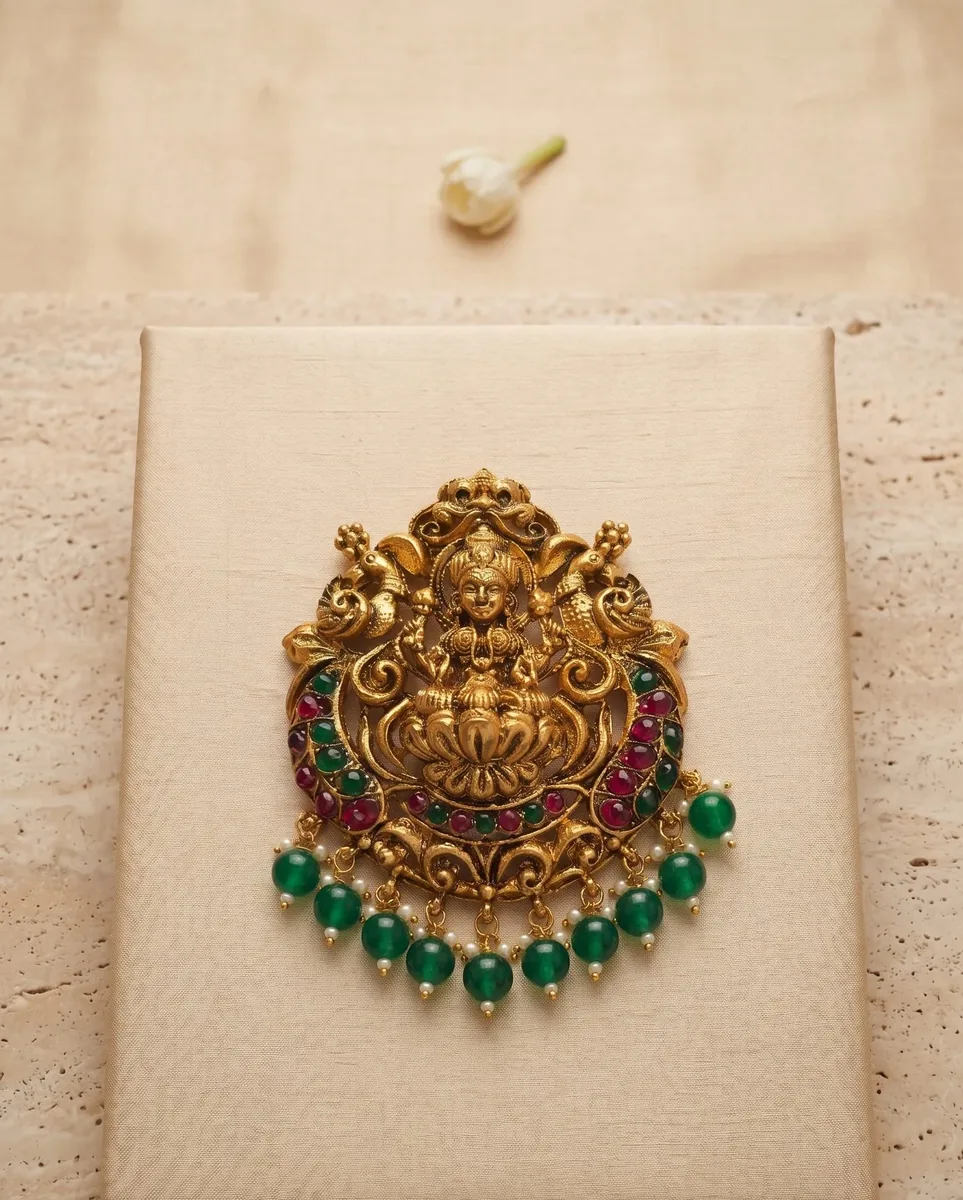
Cosmetic shops, bangle stores and general stores in every Indian town sell jewellery alongside their main products. For many, it is a steady, profitable line. The key is choosing fast movers at the right price points.
Fast-moving pieces
- Jhumkas and studs
- Bangles and kadas
- Daily-wear mangalsutras
- Pendant sets
- Anklets and toe rings
- Hair accessories
- Nose pins
Price points
Most customers in these stores buy at entry and core price points. Keep a few premium festive pieces for special occasions.
Display
Earrings on cards, bangles on stands, pendants on hooks.
Seasonal boosts
Festivals and weddings bring demand for festive sets and more bangles. Stock up before local festivals.
Common mistakes
Stocking heavy bridal sets that do not suit the store's customers, and letting stock tarnish on display.
An example
A cosmetic store in a small town stocks 40 earring designs on cards, four bangle designs in several sizes, daily mangalsutras and a small festive section before Diwali, restocked fortnightly by a distributor.
See imitation jewellery for distributors and supplying jewellery shops.
Bangle store specifics
Bangle stores already know sizing and colour matching. They need stock in every common size (2.2 to 2.10), in sets and singles, and in colours that match seasonal outfits and festivals; glass, lac, metal and stone-set bangles often sit side by side. Imitation metal bangles and kadas add higher-value options to a mostly glass range, and matching earrings, simple necklace sets and bridal bangle sets extend what they sell to the same customer: bangles in bridal colours with a matching necklace set make an easy bundle.
Rotating designs
Small stores have limited space and see the same customers often. Keep the best sellers constant and rotate the rest, for example earring designs every month, so regular customers find something new, and return slow designs to the distributor if terms allow.
Care and storage
Small stores often keep jewellery on open display for long periods, and cosmetic stores are often warm and brightly lit. Heat and light speed up tarnish, especially on plated pieces near shop windows, so keep jewellery away from direct sun and heat, rotate display stock, clean display pieces regularly and keep reserves in sealed pouches.
Working with distributors
Small stores usually buy from local wholesalers or distributors. The most valuable partner is one who visits regularly (or delivers by courier on WhatsApp orders), knows the store's customers, replaces fast sellers quickly and suggests new designs each season; stores should share what sells so the distributor brings the right pieces. Small, frequent top-ups suit cosmetic and bangle stores better than large, infrequent orders, and distributors serving many such stores can buy their best sellers in volume from manufacturers at MOQ, keeping prices competitive.
Growth
Stores that do well with jewellery often expand the section over time, adding festive and bridal ranges.
A starter range for a cosmetic or bangle store
| Category | Designs | Price point |
|---|---|---|
| Small studs and jhumkas | 15 to 20 | Entry and standard |
| Oxidised earrings | 10 to 15 | Entry |
| Nose pins, clip-ons | 10 | Entry |
| Hair clips and accessories | 10 | Entry |
| Light necklace sets | 5 to 8 | Standard |
| Bangle sets | By size, several colours | Entry and standard |
Keep most pieces at impulse price points: customers in these stores buy on the spot, often alongside cosmetics or bangles.
Selling alongside cosmetics
Position jewellery next to the mirror and near the billing counter. Suggest matching earrings when a customer buys a lipstick or bindi for an occasion. During festivals and wedding season, create small combo offers: bangle set plus earrings, or a festive kit with bindi, bangles and jhumkas.