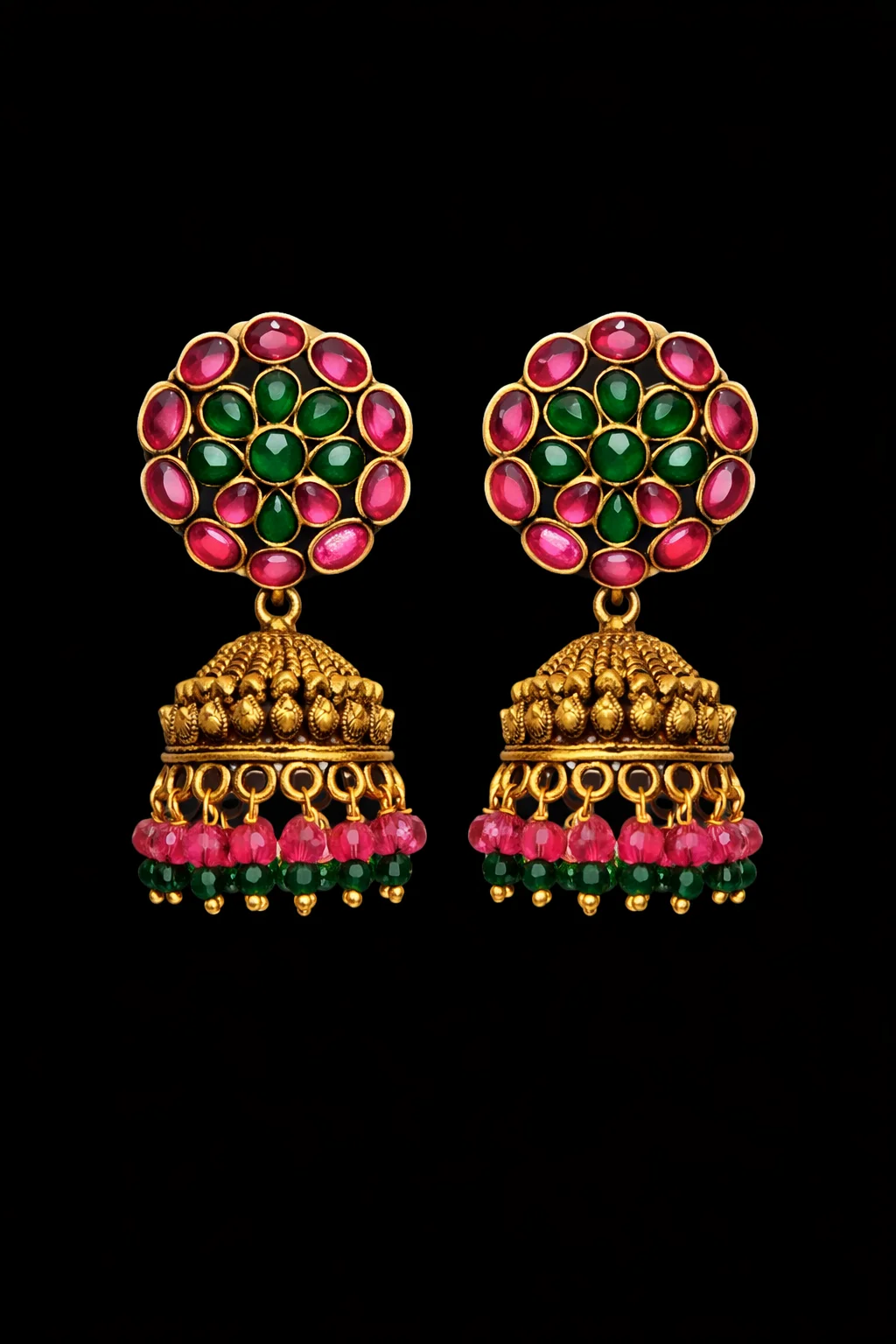
Overseas buyers often ask a factory for samples first. At Jagruti, overseas samples are not ordered online. They are arranged on request, case by case, depending on your country and the bulk order you plan, and the buyer pays for everything door to door. This applies to catalogue samples and to made-to-order and custom samples. This page sets out what that means in cost and time, and what else you can do to approve a design.
What the buyer pays, door to door
A sample parcel is a small export and a small import. Every step has a cost, and the buyer carries all of them:
| Step | What you pay for |
|---|---|
| The sample | The pieces at sample price, which is higher than the bulk price. For a custom or made-to-order sample, this includes making a one-off piece |
| Export from India | Packing, invoice and the export declaration |
| Air freight | Courier or air cargo from Mumbai to your country, usually billed at the minimum weight band for a small parcel |
| Customs clearance and duty | Import clearance at your end, plus duty and tax on the declared value. The United States ended its duty-free allowance for low-value parcels in August 2025 |
| Road delivery | The last leg from the airport or port to your address |
None of these are refundable if the sample is not followed by an order. Whether a sample is worth it depends on the size of your planned bulk order, so we ask for it before we agree to one.
It takes time
A sample overseas is slower than a sample in India, because each step waits on the one before it: making the piece (for custom or made-to-order samples, this means the 3D design, mould and casting), export clearance, air transit, import clearance, then road delivery. Customs holds are common for jewellery parcels, and the time varies with the country. Plan for it, and do not wait for the sample before you plan the season's stock.
Why it depends on country and bulk order
- Country: some countries are quick on small parcels and others hold them for weeks, charge duty on the full value or need an importer number. See import duty by country.
- Bulk order: a sample is worth the cost and time when it leads to a bulk order of real size, from 200 pieces per design (400 for earrings and pendants). We decide case by case on that basis.
Other ways to approve a design
- Choose by design code. Every design in the wholesale catalogue has a code, with photographs, sizes and finish details. You can ask us for more photographs of the exact design: back, clasp, size against a hand or neck.
- Ask specific questions. Weight, base metal, plating, stone type and size, closure and packing. A list is in our starter guide for exporters.
- Pay in two parts and approve the finished stock on video. For catalogue orders you pay a 60% advance, we make the order and send a video of the finished stock, and the 40% balance is due after you approve it. You see the real goods before the balance is paid and before dispatch.
- Start with a first order you can sell. Pick three to five proven designs at the minimum quantity, in the colours your customers buy, then repeat once they have sold.
- Visit the factory. If you are travelling to India, the factory in Kandivali East, Mumbai can be visited by appointment. See the factory visit checklist.
Made-to-order and custom designs
For a custom design, a sample is part of the process: we cast and check the piece before bulk starts. For an overseas buyer that means the sample travels the full door-to-door route above, at the buyer's cost, and the timeline includes design, casting, shipping and clearance. If you are an exporter or agent based in India, the sample can be delivered to an Indian address instead and sent on by you. See custom design for the process.
If you are an exporter based in India
You can order paid samples within India through a trade account: one or two pieces of up to six catalogue designs, paid in full, with the piece value adjusted against your first bulk order placed within 60 days. You then send samples on to your own buyer under your own paperwork. See export documents, courier vs air cargo and packing for export.
If you ship samples abroad yourself
- Declare the real value and the HS code (7117), and state that the items are samples. "No commercial value" does not mean zero value: customs use the real value for duty.
- Agree who pays duty at the destination before the parcel leaves, so it is not refused at the door.
- Pack each piece in its own sealed bag with anti-tarnish paper, in a padded box, with a printed list of contents.
- Keep a reference set of exactly what you sent, so production matches it.
To ask about an overseas sample, send us your country, the design codes and the bulk quantity you plan.