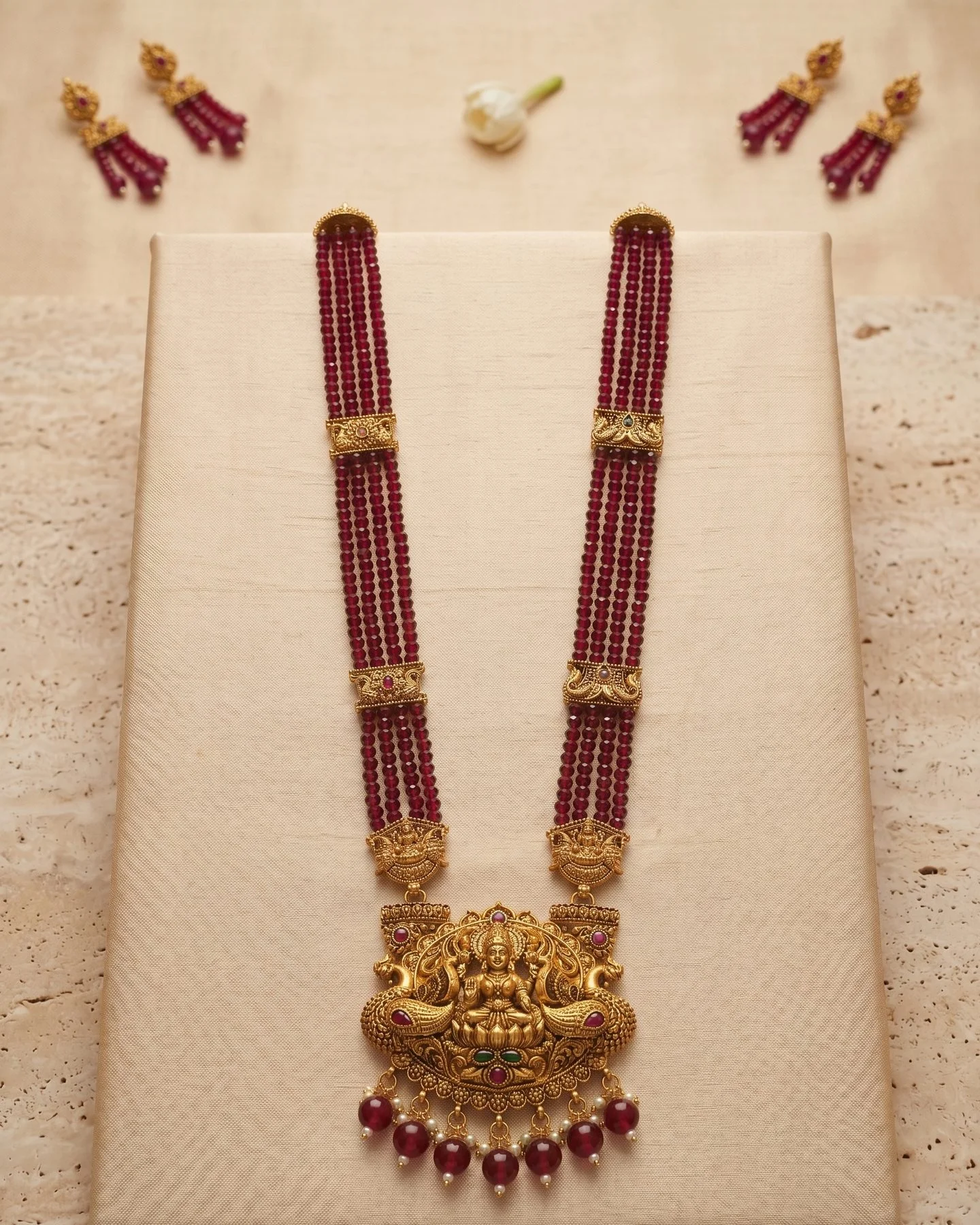
India is one of the world's biggest makers of imitation jewellery, and Mumbai, Rajkot, Jaipur and Kolkata factories supply shops across the Gulf, Europe, North America, Australia and South-East Asia. Indian designs are in demand wherever the diaspora lives, and increasingly with mainstream buyers who want statement, ethnic and bridal looks. This starter guide walks through the whole path from first enquiry to money in the bank, with links to detailed guides for each step. For the demand side, see who buys artificial jewellery from India; if you also deal in gold or silver, read how to export jewellery from India: imitation or fine.
Step 1: Decide how you will export
There are two common models:
- You are the exporter. You buy from a manufacturer, sell to an overseas buyer and ship under your own Importer Exporter Code (IEC). You keep the margin and the relationship, and you handle the paperwork.
- The manufacturer exports for you. You find the buyer; the factory ships under its IEC and invoices the buyer or you. It is a simpler start, with less control.
Many traders begin with the second model and move to the first once orders are regular.
Step 2: Registrations
| Registration | Where | Notes |
|---|---|---|
| IEC | DGFT portal | Rs 500 fee, valid for life, update every year between 1 April and 30 June |
| GST | GST portal | Needed to invoice and claim refunds |
| LUT (form RFD-11) | GST portal | Export without paying IGST; renew every financial year |
| AD code | Your bank, registered at the export port | Links export payments to shipments |
| ICEGATE | Customs portal | Usually handled with your customs broker |
Details in our guides to the IEC code and GST and the LUT.
Step 3: Choose markets and products
Match the range to the community you are selling to:
- UAE and Gulf: South Indian temple and kemp, heavy bridal sets. Duty can be zero under the India-UAE CEPA. See the UAE guide.
- UK: kundan and polki-style bridal sets, colour-matched. Duty being eliminated under the India-UK agreement from July 2026. See the UK guide.
- USA and Canada: bridal and festive sets, oxidised fusion pieces; duty and, for the US, extra tariffs apply. See the USA and Canada guides.
- Australia and New Zealand: bridal, temple and dance sets; Australia duty-free since January 2026, New Zealand from 20 October 2026. See the Australia and NZ guide.
- Singapore and Malaysia: temple, kemp and Bharatanatyam sets. See the Singapore and Malaysia guide.
Step 4: Classify and price
Imitation jewellery is HS heading 7117: usually 7117.19 for plated base-metal pieces and 7117.90 for pieces mainly of glass, plastic or beads. The code decides the buyer's duty. See HS code 7117.
Price using an Incoterm with a named place: FCA Mumbai Airport, FOB Nhava Sheva, CIP or DAP at the destination. Exports are zero-rated, so no Indian GST goes into the export price. See EXW vs FOB vs CIF and import duty by country.
Step 5: Approve the design, then the first order
Serious buyers want to see the goods before a bulk order. Most overseas buyers choose by design code, ask for extra photographs, and approve a video of the finished stock before paying the balance. Overseas samples are possible on request, case by case, with every cost door to door paid by the buyer. An exporter based in India can also order paid samples inside India and send them on under their own paperwork. See overseas buyers and samples.
For the bulk order, issue a pro-forma invoice with design codes, quantities, prices, Incoterm, delivery time and payment terms.
Step 6: Compliance and packing
- Nickel, lead and cadmium: the EU, UK, US and Canada regulate them, especially for children's jewellery. Ask the manufacturer for nickel-free plating for Europe and a test report when needed. See nickel and lead rules.
- Packing: sealed bags, anti-tarnish protection, silica gel, strong numbered cartons, "Made in India" on the retail packaging. See export packaging.
Step 7: Documents and shipping
The core document set is the commercial invoice, packing list, shipping bill and airway bill or bill of lading, plus a certificate of origin when the buyer claims a trade-agreement duty benefit. See the export documents checklist and certificate of origin guide.
For jewellery, courier suits small orders (India removed the courier export value cap in April 2026), air cargo suits larger ones, and sea freight suits big consolidated loads. See courier vs air vs sea.
Step 8: Get paid
New buyers usually pay in advance or part advance, with the balance before dispatch. Letters of credit suit large orders. Export proceeds must reach India within 15 months under the RBI rules amended in November 2025. See export payment terms.
Choosing an export-ready manufacturer
The factory decides quality, timing and much of your paperwork. Ask:
- What base metal and plating do you use, and can you do nickel-free plating?
- What is the MOQ per design and the lead time?
- Can you pack by design code with anti-tarnish protection?
- Do your invoices state HS codes, materials and weights?
- Can you share photos or video of finished stock before dispatch?
Jagruti makes imitation jewellery to order in Kandivali East, Mumbai, from 200 pieces per design (400 for earrings and pendants), usually about a month after confirmation. We quote export orders FCA or FOB Mumbai and prepare invoices ready for origin claims. See our export supply page and catalogue.