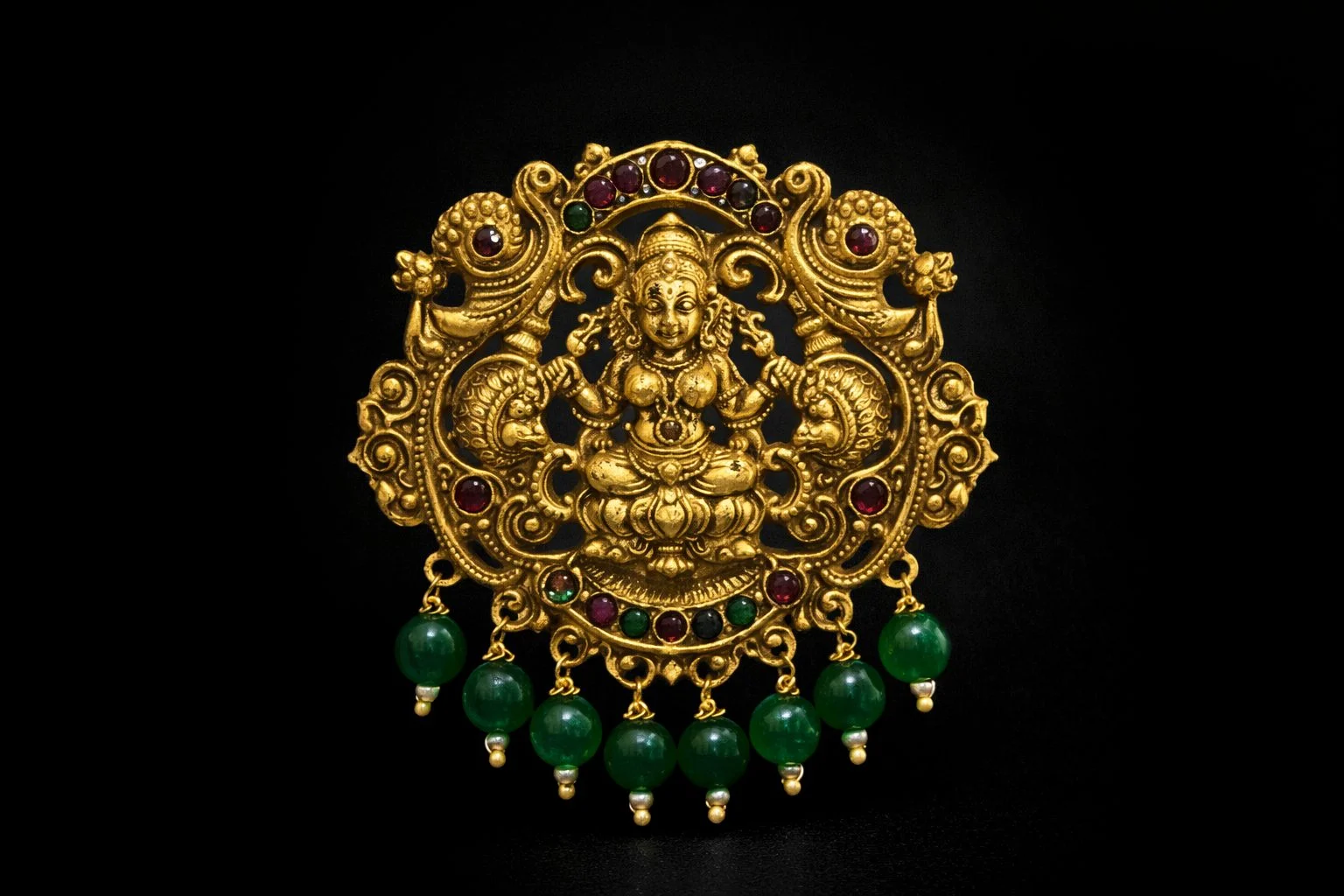
Walk into any oxidised jewellery market and you will see two broad kinds of silver-look pieces: those made of German silver (nickel silver) and those made on a brass or zinc alloy base that is silver-plated and oxidised. At the counter they can look similar. In the hands of a customer after a few months, they can behave differently.
The materials
German silver is an alloy of copper, nickel and zinc. It is naturally silvery-white all the way through, so a scratch reveals more silver-look metal.
Oxidised brass is brass (copper and zinc) or a zinc alloy, silver-plated and then darkened. A deep scratch can reveal the yellow brass or grey alloy underneath.
Side-by-side comparison
| Factor | German silver | Oxidised brass / alloy |
|---|---|---|
| Colour through the metal | Silver-white | Yellow or grey under plating |
| Weight | Medium to heavy | Varies with base |
| Nickel content | Yes | Usually no nickel in the base |
| Cost | Higher | Lower |
| Detail | Good | Very good with zinc alloy casting |
| Scratch tolerance | Better | Depends on plating |
Skin sensitivity
Because German silver contains nickel, a small share of customers may react to it with skin irritation. If you sell into markets with strict nickel rules, such as the EU, or you get complaints from customers with sensitive skin, a brass or alloy base with nickel-free processing is the safer choice. Be clear about the base when you list products online.
Which base suits which market
Most retail customers do not ask about the base metal. They choose by design, finish and price, so match the base to the channel:
| Market or channel | Suggested base | Reason |
|---|---|---|
| College and daily wear in India | Oxidised zinc alloy or brass | More designs at lower price points |
| Tribal, heavy traditional | German silver or brass | The customer handles the piece and expects weight |
| Navratri festive | Oxidised alloy | Big, light, bold pieces |
| EU and UK export | Brass or alloy with a nickel-free plating process | Nickel release limits |
| Customers who report skin irritation | A base and plating without nickel | Avoid reactions |
Many distributors run both: German silver for heavier tribal necklaces, cuffs and anklets where weight is part of the appeal, and oxidised alloy for jhumkas, studs, nose pins and light chokers where design variety and price matter most. Label each line clearly on your invoices to retailers so they can answer customers who ask about the metal.
What to ask your manufacturer
- Which base metal is used for each design?
- Is the finish sealed with lacquer to slow further darkening?
- Can the design be made in either base, and at what price difference?
- Is nickel-free processing available for export orders?
At Jagruti we make oxidised pieces to order on the base that suits your market. See our oxidised jewellery wholesale range and our German silver oxidised buying guide.
Weight and cost in practice
German silver and brass have similar densities, so a piece of the same size weighs about the same in either. The difference comes when the silver-look piece is cast in zinc alloy instead, which is noticeably lighter. That is why two jhumkas that look identical can feel very different in the hand, and why customers sometimes read weight as quality.
On cost, nickel is an expensive metal, so German silver costs more than brass for the same weight, and both cost more than zinc alloy.
How to tell them apart at the counter
- Scratch test on a hidden spot: German silver shows more silvery metal; plated brass may show yellow; plated zinc alloy shows grey.
- Magnet: neither responds to a magnet, so this does not help. Be wary of anyone who says it does.
- Supplier's invoice: the simplest answer. Ask for the base metal to be stated on every invoice line.
Returns and complaints: what to watch
Track complaints by base metal for one season. If skin irritation complaints cluster on German silver lines, move those designs to brass or alloy with nickel-free plating. If "turned yellow" complaints cluster on plated brass, the silver plating is too thin or the lacquer is missing, and the factory should add a heavier layer or a better seal. Two numbers per line, returns and reason, tell you more than any supplier promise.