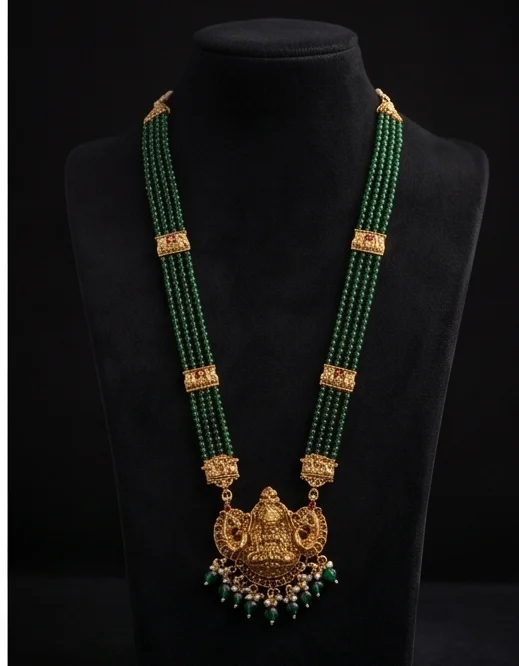
"Antique gold" describes a look. "Micron plating" describes a thickness. Sellers often mix the two, and buyers end up comparing quotes that are not like for like. Here is how to separate them.
Antique gold plating
Antique gold is a finish style: gold-colour plating with darkened recesses and polished highlights, sealed with a protective coat. It can be done at different plating thicknesses. The look is the defining feature. Read antique plating explained for the process.
Micron gold plating
A micron is one thousandth of a millimetre. "Micron gold plating" usually means a gold layer measured in microns, often 0.5, 1, 2 or more. Thicker plating generally lasts longer against wear, all else being equal. The phrase is used across finishes, including bright gold and antique.
Comparison
| Antique gold | Micron gold | |
|---|---|---|
| Describes | Finish style | Plating thickness |
| Look | Old-gold, darker recesses | Any, depends on finish |
| Cost driver | Labour of antiquing and polishing | Amount of gold-colour metal deposited |
| Durability driver | Coat and base layers | Thickness plus coat |
How to compare quotes fairly
Ask each supplier to state, for the same design:
- Base metal: Mazak or brass
- Finish: antique, matte, bright
- Plating specification: what they deposit, whether a nickel-free underlayer is used and, if they claim microns, how they measure it
- Protective coat: lacquer or anti-tarnish coat, yes or no
- Stones: type and grade
Only when all five match are you comparing prices properly. When plating quality matters for a range, write the same specification into the purchase order - a written specification turns a vague promise into something both sides can check against the approved sample.
A word on claims
Be careful with sweeping claims such as "lifetime guarantee" on plated jewellery. Wear depends on the customer. Also avoid any supplier who labels imitation jewellery with gold purity marks: imitation jewellery should never be sold as real gold.
What we recommend
For temple, kemp and bridal ranges, antique finish with good base layers and a protective coat gives the best balance of look and durability for most retail price points. For premium lines, ask about heavier plating on the same design and compare samples side by side.
See our antique jewellery wholesale range.
What the words mean in other markets
If you sell abroad, plating terms can carry legal meaning. In the United States, the Federal Trade Commission's guides for the jewellery industry say:
| Term | Minimum |
|---|---|
| Gold electroplate | A gold layer at least 0.175 microns thick (7 millionths of an inch), of at least 10 karat |
| Heavy gold electroplate | At least 2.5 microns (100 millionths of an inch), of at least 10 karat |
| Gold flash or gold washed | Less than 0.175 microns |
Using "heavy gold electroplate" or quoting microns on export invoices and packaging when the plating does not meet them can cause problems with the buyer and regulators. Describe the finish honestly, for example "gold-tone plating" or "antique gold finish", unless you have measured thickness.
How plating thickness is measured
The usual method is X-ray fluorescence (XRF): a benchtop machine measures the thickness of each metal layer without damaging the piece. Larger factories and testing labs have XRF instruments. If a supplier quotes microns, ask whether they measured with XRF and whether you can have the reading for your approved sample.
Where thickness really matters
Plating wears fastest where the piece rubs: the inside of bangles, the back of earrings against the neck, clasps and hooks. Heavier plating helps most on those areas. On a large pendant face that rarely touches anything, a standard plating with a good lacquer lasts well.
Matching the finish to the price point
Not every range needs the heaviest plating. Festival and fashion lines turn over quickly and customers expect a fair price, so standard antique plating with a good protective coat is usually right. Bridal sets are worn for long hours and often kept for years, so heavier plating can be worth the extra cost there. Decide the plating per range, not per supplier, and brief the factory accordingly.
Testing samples yourself
Keep two units of each approved sample. Wear-test one for a few weeks, or rub it gently at edges and clasps where friction is highest, and keep the other untouched as a colour reference. It is not a laboratory test, but it quickly shows which finishes hold up at your customers' level of use.