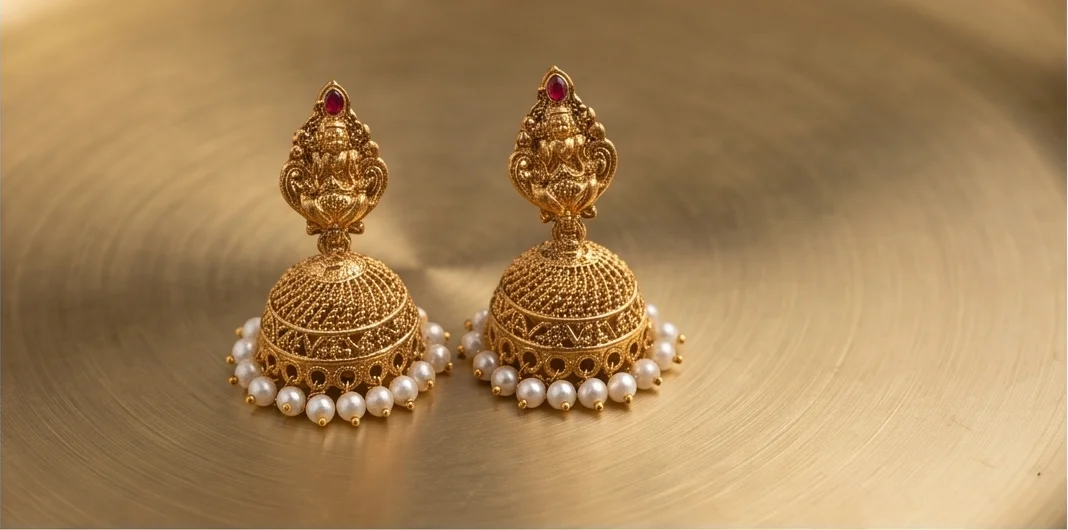
Imitation jewellery carries 3% GST when sold within India. When you export it, the supply is zero-rated: no Indian tax should end up in the price the foreign buyer pays. There are two ways to get there, and choosing the right one decides whether your working capital is stuck with the tax department for weeks.
The two routes to zero-rated export
Route 1: export under a Letter of Undertaking (LUT), without paying IGST. You file a one-page undertaking on the GST portal, then invoice your exports without IGST. No tax is paid, so there is no refund to wait for. You can still claim a refund of the GST you paid on your inputs (the goods you bought from the manufacturer, packing and so on), because unused input credit on zero-rated supplies is refundable.
Route 2: pay IGST on the export, then claim it back. You charge IGST on the export invoice, pay it, and the refund is processed through the shipping bill. It works, but your money is locked up until the refund arrives.
For most small and medium jewellery exporters, Route 1 with an LUT is simpler.
Filing the LUT
- The LUT is filed online on the GST portal in form GST RFD-11.
- It is valid for one financial year, 1 April to 31 March. File a fresh one before 1 April every year so your first export of the year is covered.
- There is no fee, and approval is normally immediate on filing.
- Your export invoice must carry a line such as: "Supply meant for export under LUT without payment of IGST", with the LUT reference number.
If you export without a valid LUT, the export is treated as taxable. You would then pay IGST with interest and claim a refund, which is exactly the delay the LUT exists to avoid.
How the input credit works
When you buy imitation jewellery from a manufacturer for export, you pay 3% GST on their invoice. That credit builds up in your ledger because you do not charge output tax on exports. You can claim a refund of this accumulated input credit periodically, supported by your export invoices and shipping bills.
To make this work:
- buy from GST-registered suppliers with proper tax invoices
- make sure the supplier files their returns, so the credit shows in your records
- match the quantities and descriptions on purchase and export invoices where you can
Merchant exporters
If you buy from a manufacturer specifically to export, a special scheme allows the manufacturer to charge a much lower GST rate on supplies to a registered merchant exporter, provided the goods are exported within a set time and conditions are met. It saves working capital but has strict paperwork. Ask your CA whether it suits your volumes.
A worked example
Suppose you buy imitation jewellery worth Rs 1,00,000 from a manufacturer for export.
| Step | Under LUT | Paying IGST |
|---|---|---|
| Purchase from manufacturer, plus 3% GST | Rs 1,03,000 paid; Rs 3,000 input credit | Rs 1,03,000 paid; Rs 3,000 input credit |
| Export invoice value | Rs 1,30,000, no IGST | Rs 1,30,000 plus IGST at 3%, Rs 3,900 |
| Tax paid out on the export | Nil | Rs 3,900, less Rs 3,000 credit used, so Rs 900 cash |
| What you claim back | Rs 3,000 unused input credit | Rs 3,900 IGST refund via shipping bill |
Both routes end with no Indian tax in the export price. The difference is cash flow: under the LUT nothing extra leaves your account, and only your input credit waits for refund.
Common mistakes
- Forgetting to renew the LUT on 1 April. The most common cause of unexpected IGST bills.
- Invoice and shipping bill values that do not match. Refunds are processed by matching them.
- Wrong HS code or description. Keep the invoice, shipping bill and GST records consistent. See HS code 7117.
- Payment received through unofficial channels. Export proceeds should come into your bank account through normal banking channels within the allowed period, now 15 months. See export payment terms.
Export incentives
India's RoDTEP scheme refunds some embedded taxes and duties to exporters at notified rates for each tariff line. Rates and eligible lines change, so check the current schedule for heading 7117 on the DGFT website or with your customs broker before counting on it in your pricing.
What we provide
When you buy from Jagruti for export, our GST invoice describes each item's base metal, finish and stones and carries the HS code, which keeps your purchase and export records consistent. For customers exporting under their own IEC, tell us the destination at order time. See our export supply page.
This is general information, not tax advice. Please confirm the current rules with your chartered accountant.