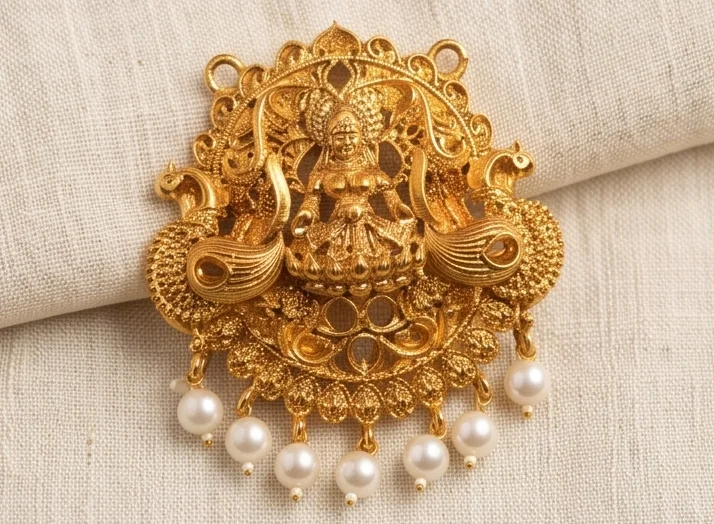
South Indian weddings are set by auspicious dates (muhurthams) in Tamil, Telugu, Kannada and Malayalam calendars. Some months see many weddings, others almost none. For temple jewellery distributors, this uneven pattern means stock must arrive in waves, not evenly through the year.
How muhurtham dates shape demand
- Busy months create sudden peaks in bridal and guest jewellery sales.
- Inauspicious months (such as Aadi in the Tamil calendar, and Ashada in Telugu and Kannada calendars) see few weddings, though festivals may still drive sales.
A planning approach
- Get the year's muhurtham dates from retailers or local calendars: ask each major retailer at the start of each quarter for the busiest dates in their area, and combine them into one calendar for your region.
- Mark the busiest months per state.
- Place orders so stock arrives weeks before each busy period.
- Use batch-wise production to split deliveries across peaks.
Festivals between peaks
During low-wedding months, festivals such as Pongal, Varalakshmi Vratham, Onam, Navaratri and Deepavali keep demand going. Plan festive stock for these gaps from the same factory relationships as your bridal sets.
Common mistakes
Spreading stock evenly across the year when demand is concentrated in a few busy months. This leaves shelves thin during peaks and full during quiet periods. Another mistake is using last year's dates; muhurthams shift every year.
A sample batch plan
A Chennai distributor might place one order split into three batches: the first before the earliest busy month, the second before the next, and a top-up batch timed after reviewing early sales. Each batch contains bridal sets, guest sets and jhumkas in proportion to expected demand.
Reading the muhurtham calendar
South Indian families fix weddings using the regional calendar and a priest's advice on auspicious muhurthams. Wedding clusters therefore vary by state and year:
- Tamil Nadu: Thai, Masi, Panguni, Chithirai, Vaikasi, Aavani and Aippasi have many muhurthams; Aadi and Margazhi are avoided.
- Andhra Pradesh and Telangana: Magha, Phalguna, Vaishakha and Sravana months see many weddings; Ashada is avoided.
- Karnataka: similar to Andhra, with Ashada avoided.
- Kerala: Chingam (August to September) and Medam (April to May) are popular wedding months; Karkidakam is avoided.
Local priests, wedding halls and experienced retailers know these dates months ahead.
A batch plan across the year
| Batch | Timing | Content |
|---|---|---|
| 1 | Before Thai (January) | Bridal sets for the early-year muhurthams |
| 2 | Before Chithirai and Vaikasi (April to June) | Bridal sets and summer festival pieces |
| 3 | Before Aavani (August) | Bridal sets and Varalakshmi Vratham pieces |
| 4 | Before Navaratri and Deepavali | Festive sets and dance sets |
Adjust quantities after each batch based on sell-through.
We manufacture temple jewellery at 200 pcs per design (400 for earrings and pendants) with batch-wise production for large orders. See temple jewellery wholesale and Tamil bridal jewellery.
Working with your manufacturer for this season
Confirm designs and quantities two to three months before each wedding cluster, so production (about a month for made-to-order designs), approval and transport all fit before your shelves need the stock. Keep your best bridal designs in steady production across the year, rather than one huge order, so stock is fresh for each cluster. Record kemp colours and finish against each design so every batch matches for brides buying complete sets. Ask the factory to keep a record of the approved finish and stone colours, so any mid-season re-order matches the first batch.
Care
Kemp and antique finishes last longer when bridal sets are stored sealed and dry between functions.
Guests and relatives
Every muhurtham cluster also brings guest demand for lighter temple sets and jhumkas.