Every jewellery business has quiet months, when weddings pause and festivals are far off. How you use them decides how well you do in the next peak.
1. Review the last season
Look at sell-through per design, per retailer and per region. Which designs sold out? Which sat? Which retailers grew? This is the data your next orders should be built on.
2. Clear slow stock
Old stock ties up cash and tarnishes over time. Offer slow designs to retailers at a discount, bundle them with bestsellers, or sell them through outlet channels. Do this before the next season, not during it.
3. Develop new designs
Factories are less busy in quiet months. It is the best time to brief custom designs, approve CAD proofs and samples, and refine them without deadline pressure. Read how to brief a manufacturer.
4. Book production early
Place orders for the next peak early, while factories have capacity. Early orders get better attention and avoid the pre-festival rush.
5. Build relationships
Visit retailers, collect feedback, and plan their needs. Visit your manufacturer too.
6. Tidy operations
Update catalogues, fix pricing, clean up receivables, reorganise storage.
7. Explore new channels
Test online marketplaces, new territories or new retailer types, such as boutiques or saree shops.
Year-round sellers
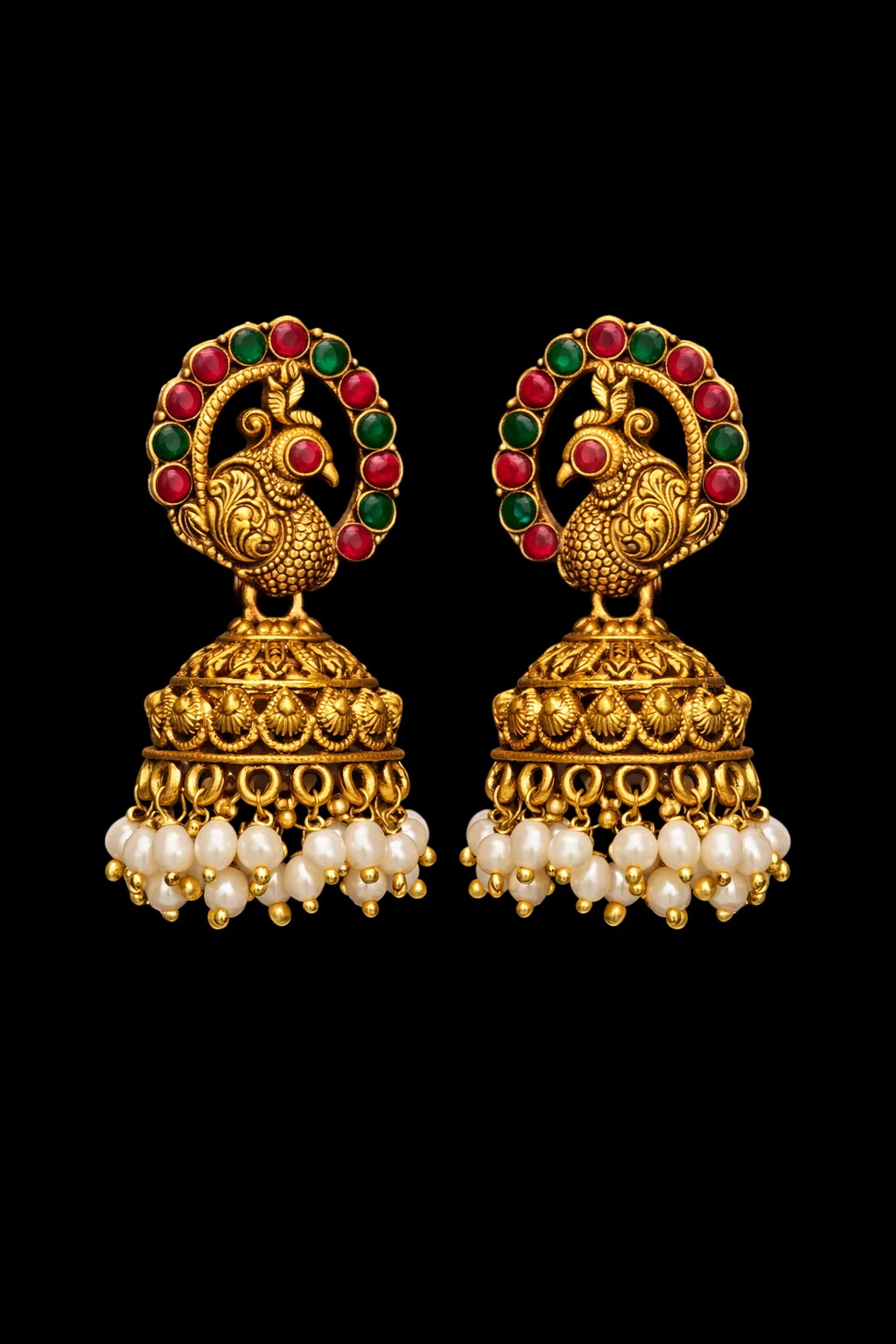
Some categories sell steadily all year: oxidised jhumkas, pendant sets, daily-wear mangalsutras, AD studs. Keep them stocked to maintain cash flow.
See re-order planning and working capital planning.
Common mistakes
Treating quiet months as downtime. The best-run distributors use them to design, negotiate and plan, so they enter the next peak with stock ready while competitors are still waiting for factory slots.
A quiet-month checklist
- Export last season's sales by design
- List designs to drop, keep and deepen
- Brief two or three new designs
- Book production for the next peak
- Plan clearance of slow stock
- Visit top retailers
When the off-season is
The quietest months vary by region, but for many Indian jewellery businesses they fall in the monsoon (roughly June to August, apart from festivals like Teej and Varalakshmi Vratham) and in the inauspicious periods when weddings pause, such as Kharmas in the North and Aadi and Margazhi in Tamil Nadu. These are the months to plan, not to wait.
Using quiet months for factory orders
Factories are often less busy in the monsoon months. Placing orders for the Navratri, Diwali and winter wedding seasons in June and July gets you:
- more attention to your designs and samples
- time to correct anything at the sample stage
- a place in the production queue before the rush
- sometimes better terms
Clearing slow stock sensibly
Slow stock can be cleared through bundles (pairing slow pieces with best sellers), discounts to retailers on older designs, exhibitions and online marketplaces. Clear it before the new season's stock arrives, so it does not crowd the shelves when demand returns.
An off-season checklist
- Review last season's sales by design, colour and price point.
- Clear slow stock before new stock arrives.
- Visit or call your main manufacturers to plan the next season.
- Order samples of new designs and test them with key retailers.
- Book production slots for the coming peaks.
- Update catalogues and photos.
- Train staff and review processes.
Businesses that use the off-season this way enter each peak with the right stock, while others are still scrambling.
Year-round sellers to keep in stock
Some pieces sell in every month: small jhumkas, oxidised earrings, simple AD pendants, bangles and daily-wear chains. Keeping these well stocked through the off-season keeps cash coming in and customers visiting, while you plan for the next peak.
Using the off-season for marketing
Quiet months are a good time to photograph new designs, update catalogues, build social media content and contact retailers who have not ordered recently.
Measuring the off-season
Track three numbers through the quiet months: sales of year-round sellers, the value of slow stock cleared, and the date each peak-season order was placed. If the orders are going in earlier each year and slow stock is falling, the off-season is being used well.
Cash in the off-season
Quiet months are when cash matters most. Collect overdue payments from retailers, arrange working capital for the coming peak, and keep enough reserve to pay factory advances for the next season.