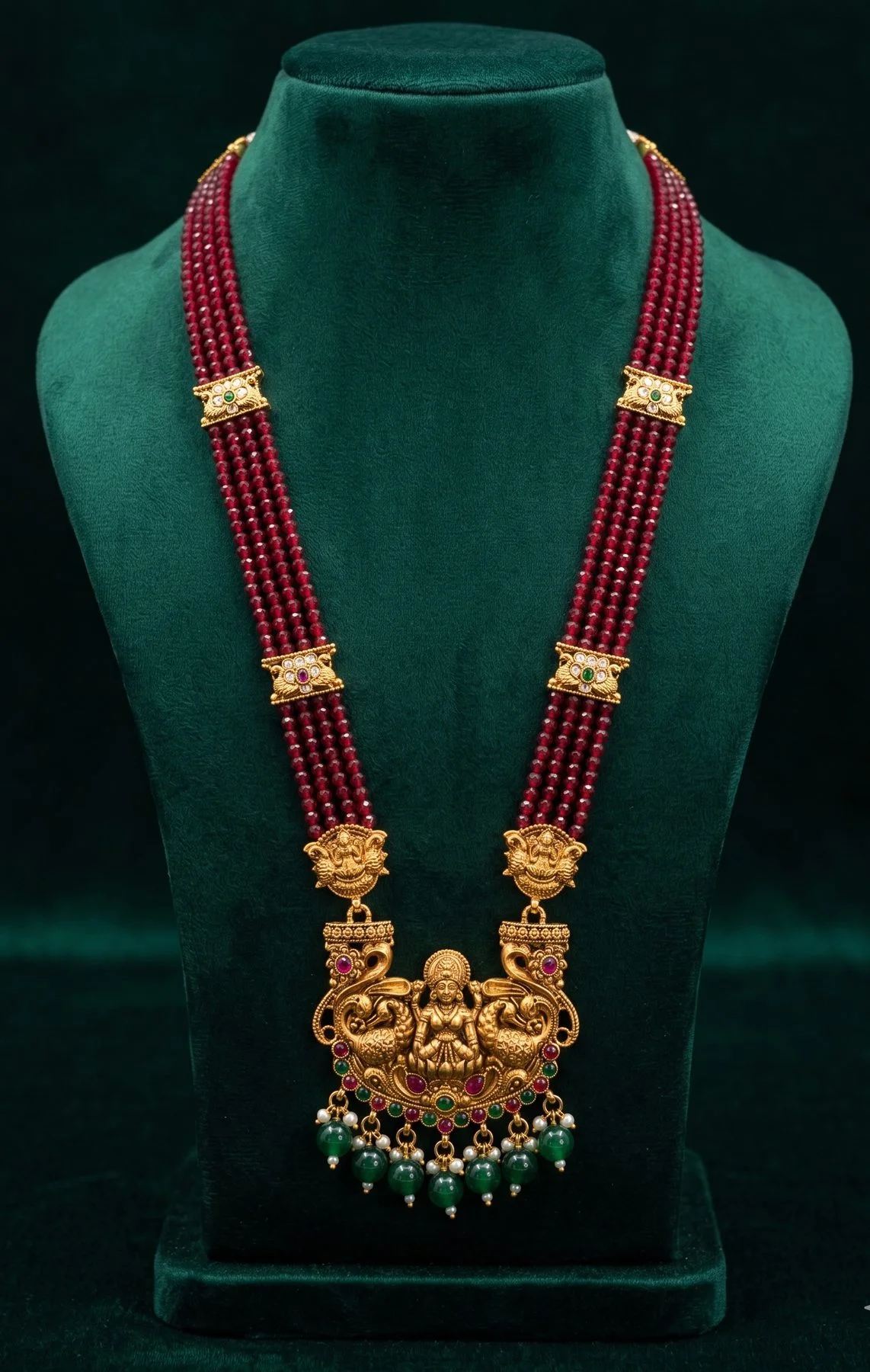
"Jewellery export" covers two very different businesses. Fine jewellery, made of gold, silver, platinum and natural stones, is traded by weight and metal price. Imitation jewellery, made of plated base metal and glass or synthetic stones, is traded by design and piece. The steps to export are similar, but the money at risk, the shipping and the buyers are not. This guide helps you choose which one you are doing, then walks through the common steps.
Step 1: Decide which category you are exporting
| Imitation jewellery | Gold, silver and stone jewellery | |
|---|---|---|
| HS heading | 7117 | 7113 for precious-metal jewellery |
| Priced by | Piece, by design | Metal weight plus making charges |
| Metal price risk | Almost none | High: the price moves daily |
| Value per shipment | Low to moderate | Often very high |
| Shipping | Courier, air or sea | Insured, secured shipments |
| Money tied up in stock | Moderate | Large |
| Best first step | Make to order from a factory | Needs capital and metal sourcing |
Many first-time exporters start with imitation jewellery because the stock is cheaper to hold and a factory can make to order, which means little money is tied up before the buyer pays an advance. Whatever you pick, confirm the HS code with your customs broker, because the buyer's duty depends on it. See HS code 7117 explained.
Step 2: Registrations every exporter needs
- IEC (Importer Exporter Code) from DGFT. Without it you cannot export under your own name. See the IEC guide.
- GST registration, and a Letter of Undertaking (LUT) each financial year so that exports are zero-rated and you do not pay IGST upfront. This applies to both categories. See GST and LUT for jewellery exports.
- An AD code registered with your bank at the port, so export payments match shipments.
- An export promotion council membership (RCMC) if you want to claim export-promotion benefits. Ask your chartered accountant which council covers your product. It is a separate step from shipping.
Step 3: Find the product and the factory
If you do not make jewellery yourself, you need a manufacturer you trust. Ask about metals and plating, minimum per design, lead time and packing, and whether they will sell to exporters without hidden minimums. Questions to ask are in our starter guide.
Step 4: Find buyers, choose markets
Match the range to the community. South Indian temple sets sell in the Gulf and Singapore, kundan bridal sets in the UK, Canada and the US. See who buys artificial jewellery from India.
Step 5: Price it for export
Quote a price on a named Incoterm: FCA or FOB at an Indian port or airport, or CIF or DAP at the destination. Duty at the destination is the buyer's cost and affects whether they can sell your range, so look at import duty by country before quoting.
Step 6: Agree payment and approval
A new buyer normally pays an advance or part advance. Letters of credit suit large orders. Export proceeds must be realised in India within 15 months under the RBI rules. See export payment terms.
How the buyer approves the goods matters. At Jagruti, overseas buyers either approve on photographs and a video of the finished stock before the balance is paid, or ask for a sample on request, paying door to door. See overseas buyers and samples.
Step 7: Pack and ship
- Imitation jewellery: sealed bags, anti-tarnish protection, silica gel, numbered cartons. Courier suits small orders; India removed the courier export value cap in April 2026. Air or sea suit bigger orders. See courier vs air vs sea and export packaging.
- Fine jewellery: insured, tracked shipments, and a customs broker used to high-value goods.
Step 8: Documents
A commercial invoice, packing list, shipping bill and airway bill or bill of lading, plus a certificate of origin when the buyer claims a trade-agreement duty rate. See the export documents checklist and certificate of origin guide.
Which one should you start with
If you have limited capital and no jewellery-making background, start with imitation jewellery from a factory that makes to order. If you already trade gold or silver and have the capital, the fine-jewellery route has its own, bigger set of rules and is a separate business.
Jagruti makes imitation jewellery to order in Kandivali East, Mumbai, and supplies exporters and overseas retailers from 200 pieces per design (400 for earrings and pendants). See our export page or send an enquiry.