Good counter staff sell more and create fewer complaints. A short training programme, repeated for new staff, pays for itself quickly.
Product knowledge
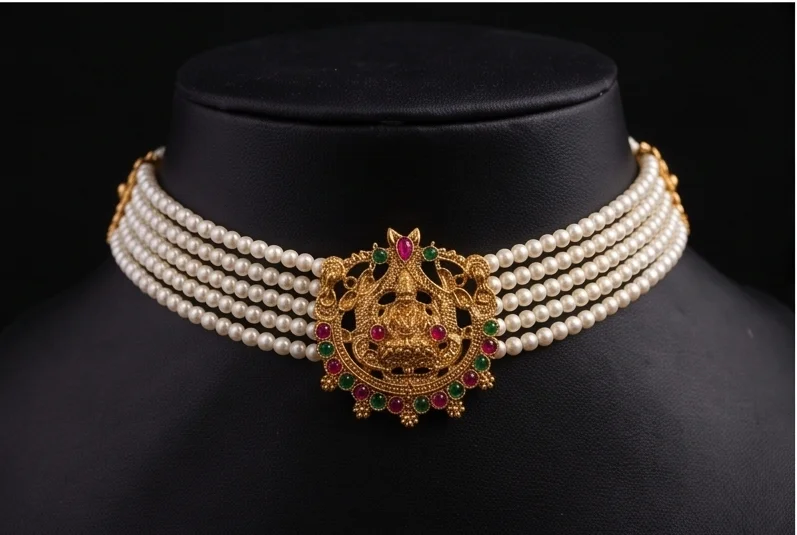
- Materials: base metals (zinc alloy, brass), plating types, stones (kemp, CZ, Kundan glass, pearls). Read Mazak material meaning.
- Styles: temple, Kundan, polki-look, AD, antique, oxidised and regional styles.
- Finishes: antique, matte, bright, rose gold, oxidised.
Matching jewellery to outfits
Staff should suggest jewellery by outfit colour, fabric and occasion: temple sets with silk sarees, Kundan with lehengas, oxidised with cotton.
Regional knowledge
Know which pieces customers from different communities expect: nath and thushi for Maharashtrian brides, vaddanam for South Indian brides, kaleere for Punjabi brides.
Care advice
Every sale should include care advice and a care card. Read customer care cards.
Honest selling
Staff should describe pieces honestly, never implying gold or promising permanent colour. Read selling honestly.
Selling skills
- Greet and ask about the occasion
- Show a complete look
- Suggest add-ons (earrings, bangles)
- Offer bundles
Common mistakes
Training once and never again, and not teaching care advice.
An example programme
A two-hour session covering materials and styles, followed by a week of shadowing an experienced staff member, and a monthly half-hour refresher on new designs and festival stock.
See imitation jewellery for retailers.
Handling complaints
Train staff to listen, check the piece, and follow your policy calmly. Many complaints are about care; a polite explanation and a care card can turn an unhappy customer into a loyal one. Genuine defects should be handled quickly and fairly.
Incentives
Some retailers reward staff for bundle sales or add-on sales. Clear, fair incentives encourage good selling habits.
Role play
Short role-play exercises, such as a bride choosing a set or a customer asking whether a piece is gold, help new staff practise.
Staff as ambassadors
Staff who wear pieces from the range show customers how they look and build confidence in the product.
A one-week training plan for new staff
| Day | Topic |
|---|---|
| 1 | Product categories, materials and finishes |
| 2 | Regional styles and which customers buy them |
| 3 | Matching jewellery to outfits and occasions |
| 4 | Care advice and honest description |
| 5 | Handling bridal customers and families |
| 6 | Stock, codes, re-orders and security |
| 7 | Practice sales with a senior staff member |
Short daily sessions with real pieces work better than long lectures.
Knowledge that builds trust
Customers trust staff who can answer simple questions confidently: What is the base metal? Will it tarnish? How do I care for it? Which set suits a green lehenga? Give staff a one-page sheet for each category with the answers, and review it before each season.
Motivating the team
Share weekly sales results with staff, recognise good selling, and ask for their observations. Ask them to note customer requests they could not meet, such as a colour, style or price point: counter staff notice requests and complaints first, and their notes are valuable input for the next order.
Refreshing training each season
When new designs arrive, and for an hour before each season, brief staff on what is new: the designs, who they suit and what outfits they match, seasonal colours, the festival's traditions and the pieces customers will ask for. Staff who know why a design matters to customers sell it with more confidence.
Sharing knowledge
Ask experienced staff to share one tip each week in a short morning meeting: a customer question they handled well, a pairing that sold, a care issue they explained. It keeps the whole team learning and builds confidence in newer staff.
Security awareness
Train staff to keep premium pieces behind glass, show one item at a time, count display pieces at opening and closing, and stay alert when the shop is busy.
Measuring training
Track sales per staff member, add-on sales and customer complaints before and after training.